10 Instagram Content Formats That Always Work
The content formats that consistently drive engagement on Instagram. Quick tips, before and after, street chats, and more.
TL;DR:
- These 10 content formats consistently drive engagement across niches
- For reach: Quick tips, street chats, reactions, and POV Reels
- For trust: Before and after, myth versus fact, and simple explain
- For connection: Day in my life and mini stories
- For engagement: This or That posts that get people commenting
- Mix 4 to 6 formats regularly to keep your feed from going stale
You have probably noticed that some posts take off and others flatline, even when the quality looks similar. The difference is usually not the content itself. It is the format.
Certain content formats have built in engagement mechanics. A before and after creates curiosity. A street chat feels authentic. A this or that forces people to pick a side. These formats work because they tap into how people actually behave on Instagram — scrolling fast, saving useful stuff, and commenting when something makes them react.
Here are 10 formats that consistently work, how to use them, and when each one makes the most sense.
1. Quick tips
Short, punchy, and immediately useful. A quick tips Reel or carousel gives the viewer something they can use right now without any setup or context.
The format is simple. State the tip. Show it if possible. Move on. No long intro, no backstory. Something like “5 small habits that improved my content instantly” or “The 10 minute routine that changed how I plan my week.”
Quick tips get saved like crazy. When someone saves your post, Instagram reads that as a strong signal and pushes it to more people. This is why quick tips often outperform more elaborate content in terms of reach.
The trick is making the tips specific to your niche. Generic tips like “post consistently” do not save. But “I plan a week of content in one hour using this exact process” does. Specificity is what makes people hit the bookmark icon.
2. Before and after
People love transformation content. A before and after shows a clear change — in results, in appearance, in process, in strategy. It works for almost every niche.
For social media managers, it might be a client’s Instagram before you started and three months later. For fitness creators, it is a physical transformation. For designers, it is a project from rough draft to final version. The format works because the contrast creates instant curiosity.
The key to a good before and after is making the “before” relatable and the “after” aspirational but believable. If the after looks too good, people assume it is fake. If the before looks nothing like their current situation, they do not connect with it.
Use carousels for before and after content. The swipe mechanic adds a moment of suspense — people want to see the result. That anticipation drives engagement.
3. Street chats
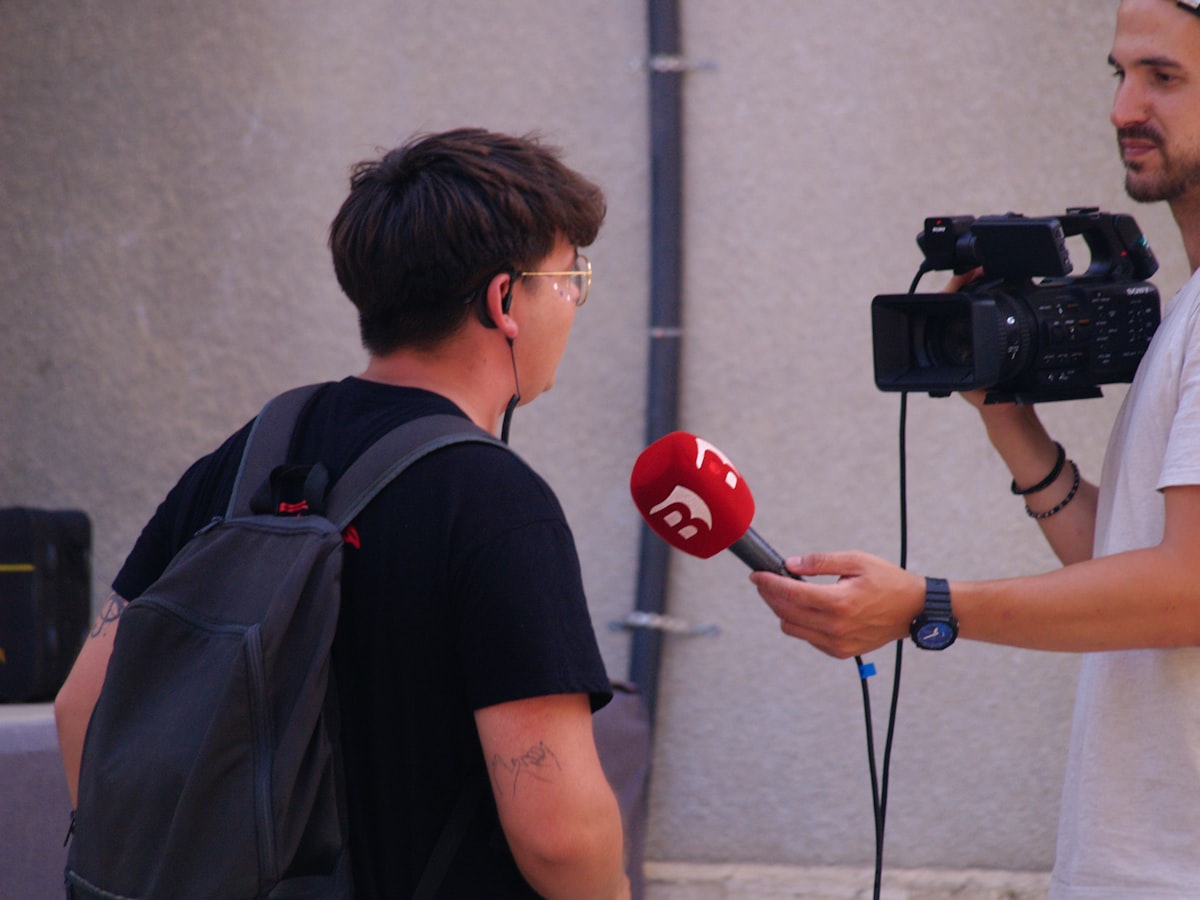
Going up to real people and asking them questions on camera. Street chats feel raw, unscripted, and authentic. That is exactly why they work.
The questions should be simple and opinion based. “What is the biggest mistake you see on social media?” or “How much would you pay for someone to manage your Instagram?” Real answers from real people are more interesting than polished talking head content.
Street chats also work well as conversation starters. When viewers disagree with the answers, they comment. When they agree, they share. Either way, the post gets engagement.
You do not need a professional setup. A phone camera and a busy area are enough. The less produced it looks, the more authentic it feels.
4. Day in my life
Relatable and personal. A day in my life Reel shows your routine, your workspace, and the behind the scenes of what you actually do. This format builds connection because people feel like they are getting to know you.
For social media managers, this might be a morning planning session, client calls, content creation blocks, and wrapping up with analytics. For other creators, it is whatever your typical day looks like.
The mistake most people make with this format is trying to make their day look glamorous. Do not. Show the real parts — the messy desk, the frustrating client call, the moment you almost forgot to post. Authenticity outperforms aspiration in this format.
Keep it under 60 seconds. Montage style with quick cuts and a trending audio track works best. Do not try to show every moment. Pick the 5 to 7 most interesting or relatable parts of your day.
5. Mini story
A mini story follows a simple arc: hook, problem, outcome. This format works because humans are wired to pay attention to stories. A Reel that starts with “I almost lost this client because of one mistake” hooks harder than “Here are some tips.”
The story does not need to be dramatic. It just needs a clear beginning, middle, and end. “I was struggling to grow. I tried this one thing. It worked. Here is what I learned.” That is a complete mini story.
Mini stories build trust. When you share a real experience — including the messy parts — people see you as someone who has been through it, not someone who just talks about it. That credibility is hard to fake.
6. Myth versus fact
This format works because it challenges what people think they know. A myth versus fact post takes a common belief in your niche and corrects it with evidence or experience.
Examples: “Myth: You need to post every day to grow. Fact: You need to post consistently, but quality beats quantity every time.” Or “Myth: Hashtags are dead. Fact: Hashtags still help with discovery, but only if they are relevant to your content.”
Myth versus fact posts get shared because people want to look informed. When someone shares your myth busting post, they are essentially saying “I knew this already” to their audience. That social motivation drives shares.
Keep it simple. One myth per slide or one myth per 10 seconds of video. Do not overload the viewer with corrections. One strong myth busted well is better than five rushed ones.
7. Reactions
Adding your take to trending content, news, or other creators’ posts. Reaction content works because you are riding the wave of something already getting attention while adding your own perspective.
The format is straightforward. Show the original content (with credit), then cut to your reaction or analysis. “This creator said X, and here is why I think they are half right.” That framing positions you as someone with expertise while staying relevant to the conversation.
Reactions are low effort and high reward. You do not need to come up with original ideas. You just need a strong opinion about something that already exists. The opinion is what makes it interesting.
Use this format when something is trending in your niche. Speed matters — the first few creators to react to a viral moment get the most reach.
8. Simple explain
Breaking down a complex topic into something anyone can understand. Simple explain content positions you as an authority without being preachy.
The format works best when you take something that sounds complicated and make it accessible. “Here is how the Instagram algorithm actually works in 30 seconds” or “The difference between reach and impressions explained simply.”
Keep the language conversational. If you sound like a textbook, people scroll. If you sound like you are explaining it to a friend over coffee, people stay.
Simple explain content performs well as carousels. Each slide breaks down one part of the concept. The swipe mechanic lets people go at their own pace, and the format naturally creates multiple touchpoints for engagement.
9. This or that
Forcing people to pick a side. This or that content is one of the easiest ways to drive comments because it gives people a low effort way to participate.
The format is simple. Present two options and ask people to choose. “Carousels or Reels for growth?” “Batch content or daily creation?” “Free tools or paid tools?” The options should be close enough that people genuinely debate, not so obvious that everyone picks the same one.
This or that posts work best as Stories with polls or as carousels with a comment prompt on the last slide. The engagement comes from people wanting to defend their choice. That impulse to comment is what drives the algorithm.
Use this format when you want to boost engagement quickly. It does not build deep authority, but it keeps your audience active and interacting with your content.
10. POV
Putting the viewer in a specific moment. POV content works because it creates an instant emotional connection. The viewer is not watching something happen to someone else — they are placed in the scenario.
“POV: You just landed your first 5K per month social media client” or “POV: You check your analytics and your latest Reel hit 100K views.” The scenario should be specific enough to feel real and desirable enough to make people want to share it.
POV content works well for both aspirational and relatable scenarios. The aspirational version (“POV: You wake up to three new client inquiries”) inspires people. The relatable version (“POV: Your client sends feedback at 11 PM”) makes people laugh. Both drive engagement.
Keep POV Reels short — 10 to 15 seconds. The scenario should be clear in the first 2 seconds. Do not overthink the production. A simple visual with text overlay is enough.
How to mix these formats
Do not use the same format every post. Rotate between 4 to 6 of these formats on a regular basis. A weekly mix might look like two quick tips Reels, one before and after carousel, one mini story, and one this or that in Stories.
The rotation keeps your feed interesting for existing followers and helps you reach different types of engagement. Some formats drive saves (quick tips, simple explain). Some drive shares (myth versus fact, reactions). Some drive comments (this or that, street chats). A healthy mix of all three signals tells Instagram that your content is worth pushing to more people.
If you are managing content for multiple clients, having a set of proven formats makes planning easier. You are not starting from scratch each week. You are picking from a menu of formats that you know work and filling them with relevant content for each client. A scheduling tool like Social by InstantDM helps you map these formats across your content calendar so nothing gets repetitive.
For more content ideas to fill these formats, check out our 200 Reel ideas guide and our Instagram content types breakdown.
The bottom line
Content formats are frameworks. They give structure to your ideas so you are not staring at a blank screen wondering what to post. Pick a format, fill it with your expertise, and ship it.
The creators who post consistently are not more creative than you. They just have a system. These 10 formats are that system.
Frequently asked questions
What Instagram content format gets the most engagement?
Quick tips and before and after transformations tend to get the most saves and shares. Carousels with punchy one line insights per slide also perform well because they are easy to consume and share.
How do I make my Instagram content go viral?
Start with a strong hook in the first 2 seconds or first slide. Use a proven content format like myth versus fact, street chats, or POV. Keep the value density high and end with a clear call to action.
How many content formats should I use on Instagram?
Rotate between 4 to 6 formats regularly. This keeps your feed varied and helps you reach different audience segments. Some people engage with quick tips, others connect with personal stories.