Social Media Slang Glossary 2026 for Managers
Every social media slang term managers need to know in 2026. POV, RIZZ, DELULU and more. Stay relevant and write better captions.
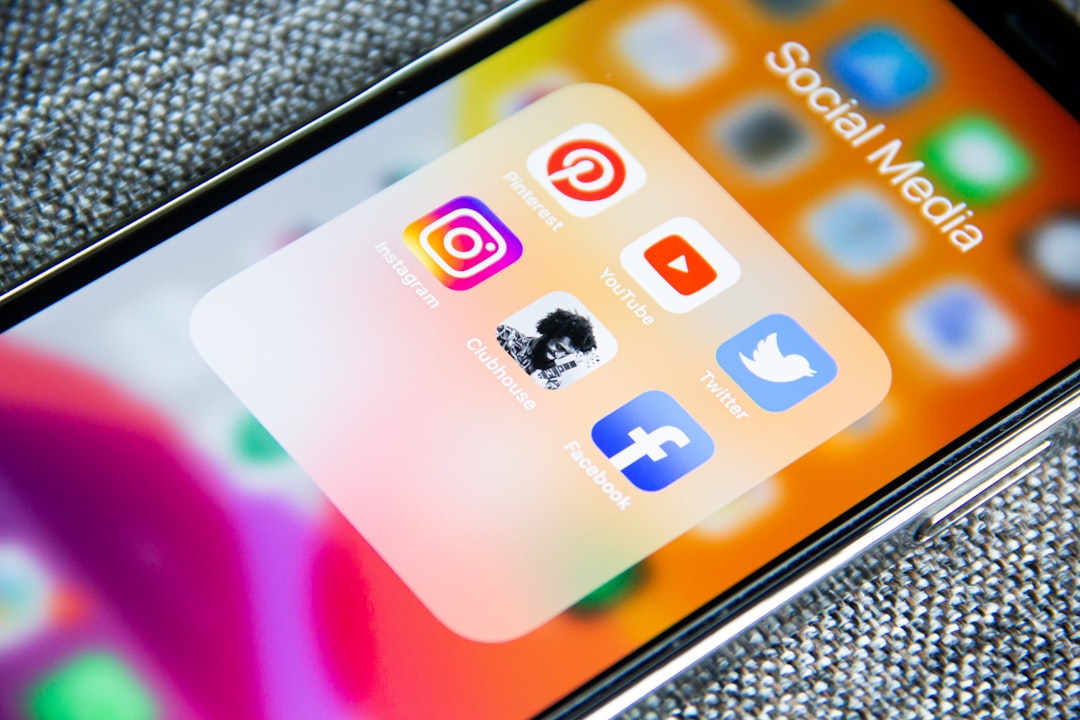
I manage social media for a living and I still get confused by slang sometimes.
Last month a client sent me a DM that said “this campaign is cooked, ngl.” My first thought was that something literally got cooked. Maybe a product launch was heating up? Turns out “cooked” means “done, over, there is no saving it.” The campaign flopped. And I almost replied with a thumbs up emoji like everything was fine.
That moment made me realize something. If I, a full time social media manager, can misread slang, then thousands of other managers are doing the same thing. And every time you misread a comment or use a term wrong in a brand post, you lose a tiny bit of trust with your audience.
So I built this glossary. Not the kind that Google gives you with stale definitions from 2019. This one is current. It covers the terms people are actually using in 2026 across Instagram, TikTok, X, and LinkedIn. And it organizes them by how you would actually use them as a manager.
If you want to keep up with the language your audience speaks, bookmark this page.
TL;DR:
- Social media slang changes fast and managers need to keep up to write authentic content
- This glossary covers 30+ terms organized by how you use them, not alphabetically
- Terms are grouped into engagement and discovery, reactions, vibes, trending culture, and business
- Slang literacy helps you write better captions and understand your audience
- Use tools like InstantDM to schedule content that sounds like your audience
Why Social Media Managers Need a Slang Glossary
The job is not just about scheduling posts and analyzing metrics. It is about understanding how people actually talk online.
Your audience does not write in complete sentences. They drop acronyms, abbreviations, and slang terms that change every few months. If your captions sound like a corporate memo while your audience is speaking in memes and slang, there is a disconnect. And that disconnect shows up in your engagement rates.
Sprout Social’s research on brand authenticity found that 88 percent of consumers say authenticity matters when deciding which brands to support. One of the fastest ways to break that authenticity is using slang wrong. Calling something “fire” six months after everyone stopped saying it. Using “slay” in a LinkedIn post. Putting “no cap” in a caption for a hospital brand.
The goal is not to use every slang term. The goal is to understand them well enough to read the room and write captions that land.

Engagement and Discovery Terms
These are the terms you will see most often in captions, hashtags, and comments. They relate to how content gets found and how people interact with posts.
POV stands for “point of view.” It is used as a caption starter on Reels and TikTok. A POV video puts the viewer in a specific scenario. “POV: you are a social media manager on a Monday morning.” It is one of the most popular content formats because it creates instant relatability. If you are creating content for clients, learn more about Instagram content formats that go viral.
GRWM means “get ready with me.” It is a content format where someone films themselves getting ready. GRWM videos feel personal and casual. Brands use this format for product placement, especially in beauty and lifestyle niches.
OOTD stands for “outfit of the day.” A staple in fashion and lifestyle content that works as carousels, Reels, or photo dumps.
FYP means “for you page.” On TikTok, the FYP is the main feed where algorithmically recommended content appears. When someone comments “FYP,” the video showed up on their feed without them following the creator. HubSpot’s social media trends report notes that #fyp as a hashtag does not actually help with distribution.
IYKYK stands for “if you know, you know.” Used when something is an inside joke or shared experience. “That feeling when a client changes the caption 5 minutes before the post goes live. IYKYK.” Works well in niche communities.
ICYMI means “in case you missed it.” Used when resharing or highlighting past content. One of the few slang terms that also works in professional contexts. You will see it on LinkedIn and in newsletters.
TL;DR stands for “too long, did not read.” It gives a quick summary before or after a long piece of content. Buffer’s guide on caption writing recommends using TL;DR for posts longer than 150 words.
Reactions and Opinions
These terms are mostly used in comments and DMs. Understanding them helps you respond to your audience correctly.
TBH means “to be honest.” People use it to soften an opinion. “Tbh this is the best advice I have seen all week” is a comment you want to screenshot and repost.
NGL stands for “not gonna lie.” Similar to TBH but more casual. “Ngl this product changed my routine” is user generated gold. When someone starts a comment with NGL, they are being genuine.
SMH means “shaking my head.” It expresses disappointment or disbelief. If someone comments “smh” on a brand post, read the room before responding. It is not always hostile. Sometimes it is playful.
GOAT stands for “greatest of all time.” It is a compliment. This one has been around for a while and shows no signs of fading. Safe to use in most brand contexts.
FOMO means “fear of missing out.” Both a real psychological phenomenon and a marketing tactic. “Limited spots” and “last chance” trigger FOMO. Later’s guide on FOMO marketing explains how to use it ethically.
SUS is short for “suspicious.” Originally from the game Among Us but spread everywhere. If someone comments “this looks sus” on a product post, they are questioning whether it is legit.
MID means mediocre or average. “That new feature is mid” means it is not impressive. If you see it in comments, do not get defensive. Arguing makes it worse.
General Vibes and Compliments
These terms are about energy, approval, and hype. You will see them in comments, captions, and even brand voice guidelines.
SLAY means to do something exceptionally well. Someone posts a great outfit and the comments are just “SLAY” repeated 40 times. It is positive, energetic, and works across most platforms.
RIZZ means charisma or charm, usually in a romantic context. For brand content, you probably will not use this directly, but understanding it helps you read audience comments.
DELULU is short for “delusional” but used affectionately. “I am being delulu thinking I can finish this project in one hour.” It is self deprecating humor that is huge on TikTok and has crossed over to every platform.
FIRE means something is excellent. “That design is fire.” It has been around long enough to be widely understood and safe for most brand contexts.
BUSSIN’ means something is really good, originally for food but now applied to anything. Use it carefully because if your brand voice is formal, this will sound forced.
DRIP means stylish or having great fashion sense. Fashion brands use this more than others. For non fashion brands, it is better to understand it than to use it.
BET is a casual way of saying “okay” or “agreed.” If someone suggests something in a comment and you reply “bet,” it means you are on board. Works best for brands targeting younger audiences.
AURA refers to someone’s energy or vibe. In 2026 you will also see “aura points” used as a joke where people gain or lose points based on actions. Mostly used in comments and memes.

Trending Culture and Online Language
These terms come from internet culture and platform specific trends. They shift faster than other categories.
VIRAL is not new, but its meaning has evolved. In 2026, “viral” is also used as an adjective to describe something that feels like it should go viral. If you want to understand what actually makes content spread, check out our breakdown of the VIRAL framework.
LOCKED IN means fully focused and committed. “I am locked in on this project” means no distractions. You will see it in captions about productivity, fitness, and business.
LORE originally refers to backstory in games and fiction, but now people use it for personal history or a brand’s story. “Let me give you the lore on why I started this business” is a creative way to frame storytelling content.
TOUCH GRASS means go outside and stop being online. Usually said as a joke. Brands sometimes use it self deprecatingly. “We have been coding for 12 hours straight. Time to touch grass.”
COOKED means something is finished or beyond saving. “The website is cooked” means it is down. “I am cooked” means someone is exhausted. If a client tells you their account is cooked, they probably need crisis help.
MAIN CHARACTER ENERGY means acting like the protagonist of a movie. Used both sincerely and ironically. Brands use it to celebrate their audience. “You have main character energy. Own it.”
Hootsuite’s social media trends guide points out that the same slang terms often cross between categories depending on the platform and context.
Business and Marketing Terms
These terms show up in marketing conversations and product launches. If you work with brands, you need these.
SOFT LAUNCH means hinting at something new without fully revealing it. A blurred product image with “something is coming” as the caption. It builds curiosity without a full commitment. Creators also use it for relationships, posting subtle hints about a new partner.
HARD LAUNCH is the full official reveal. “Introducing our new product line. Available now.” Hard launches need strong content planning and scheduling to coordinate across platforms.
CAP means a lie or something untrue. “That is cap” means you do not believe it.
NO CAP means “no lie” or “for real.” “This is the best tool for scheduling, no cap” is a genuine endorsement. When writing captions, adding “no cap” at the end emphasizes honesty. Use it sparingly to keep it from losing impact.
GOAT also fits here because calling your product the GOAT is a bold claim. It works best when someone else says it about you. Let your audience call you the GOAT. Do not self appoint.
How to Use Slang Without Sounding Cringe
The number one rule is simple. If you would not say it out loud in a normal conversation, do not put it in a caption. Slang should feel effortless.
Start by using slang in lower stakes places. Stories are perfect because they disappear in 24 hours. Test reactions in comments before moving slang into permanent feed posts.
Tools like InstantDM let you draft and preview captions across platforms before publishing. A caption that works on TikTok might sound weird on LinkedIn. Writing and scheduling content with a tool that shows you how it will look helps you catch mismatches before your audience does.
Read comments on your own posts and competitors’ posts. The comments section is where slang lives. Spend 10 minutes a day reading comments and you will pick up new terms naturally.
Do not try to use every slang term in one post. One or two terms per caption, used naturally, is the sweet spot. Anything more and you start sounding like a brand that is trying too hard.
This glossary is current as of mid 2026. But slang moves fast. Terms that are hot now might feel outdated by year end.
The best way to stay current is to follow trending pages and slang accounts on Instagram and TikTok. Set up a social media scheduling workflow where you check trending slang once a week and update your internal glossary.
Pay attention to platform differences. A term that is everywhere on TikTok might not exist on LinkedIn. Twitter or X slang tends to be more sarcastic. Instagram slang is more aesthetic focused. Knowing the platform context helps you decide when and where to use each term.
If you manage multiple clients across different industries, build a slang cheat sheet for each one. A fashion brand’s glossary will look different from a B2B SaaS company’s glossary. Social media marketing resources from Moz emphasize that understanding your audience’s language is just as important as understanding their demographics.

FAQ
Why should social media managers learn slang terms?
Because your audience uses them constantly. If you do not understand what POV, NGL, or SLAY mean, you cannot write captions that sound natural, respond to comments authentically, or create content that resonates. Slang literacy is part of the job now.
How often does social media slang change?
New slang terms emerge every few months, mostly from TikTok and X. Some terms stick around for years while others fade fast. The core ones covered here have been consistent through 2025 and 2026. Focus on learning these first, then watch trending pages monthly to catch new ones.
Can I use slang in brand content without sounding cringe?
Yes, but only if it fits your brand voice and you understand the term fully. Using slang incorrectly or forcing it into a formal tone is worse than not using it at all. Test slang in Stories and captions first. If it feels natural, keep it. If it feels forced, drop it.
Language is the bridge between your brand and your audience. When you speak their language, they listen. When you do not, they scroll past.
This glossary is not about turning your brand into a meme account. It is about understanding the people you are creating content for. Every term here tells you something about how your audience thinks, reacts, and communicates online.
Bookmark this page. Share it with your team. Come back to it when you see a term you do not recognize. And if you want to speed up your content creation while keeping your voice consistent, try InstantDM for scheduling, writing, and managing your social media content.
Stay current. Stay curious. And if someone tells you your content is mid, do not panic. Just make the next post better.
Frequently asked questions
Why should social media managers learn slang terms?
Because your audience uses them constantly. If you do not understand what POV, NGL, or SLAY mean, you cannot write captions that sound natural, respond to comments authentically, or create content that resonates. Slang literacy is part of the job now.
How often does social media slang change?
New slang terms emerge every few months, mostly from TikTok and X. Some terms stick around for years while others fade fast. The core ones covered here have been consistent through 2025 and 2026. Focus on learning these first, then watch trending pages monthly to catch new ones.
Can I use slang in brand content without sounding cringe?
Yes, but only if it fits your brand voice and you understand the term fully. Using slang incorrectly or forcing it into a formal tone is worse than not using it at all. Test slang in Stories and captions first. If it feels natural, keep it. If it feels forced, drop it.