How to Build a UGC Portfolio That Gets You Hired in 2026 (With Examples)
Learn how to build a UGC portfolio that gets you hired. Includes examples, templates, and tips for landing brand deals.
TL;DR
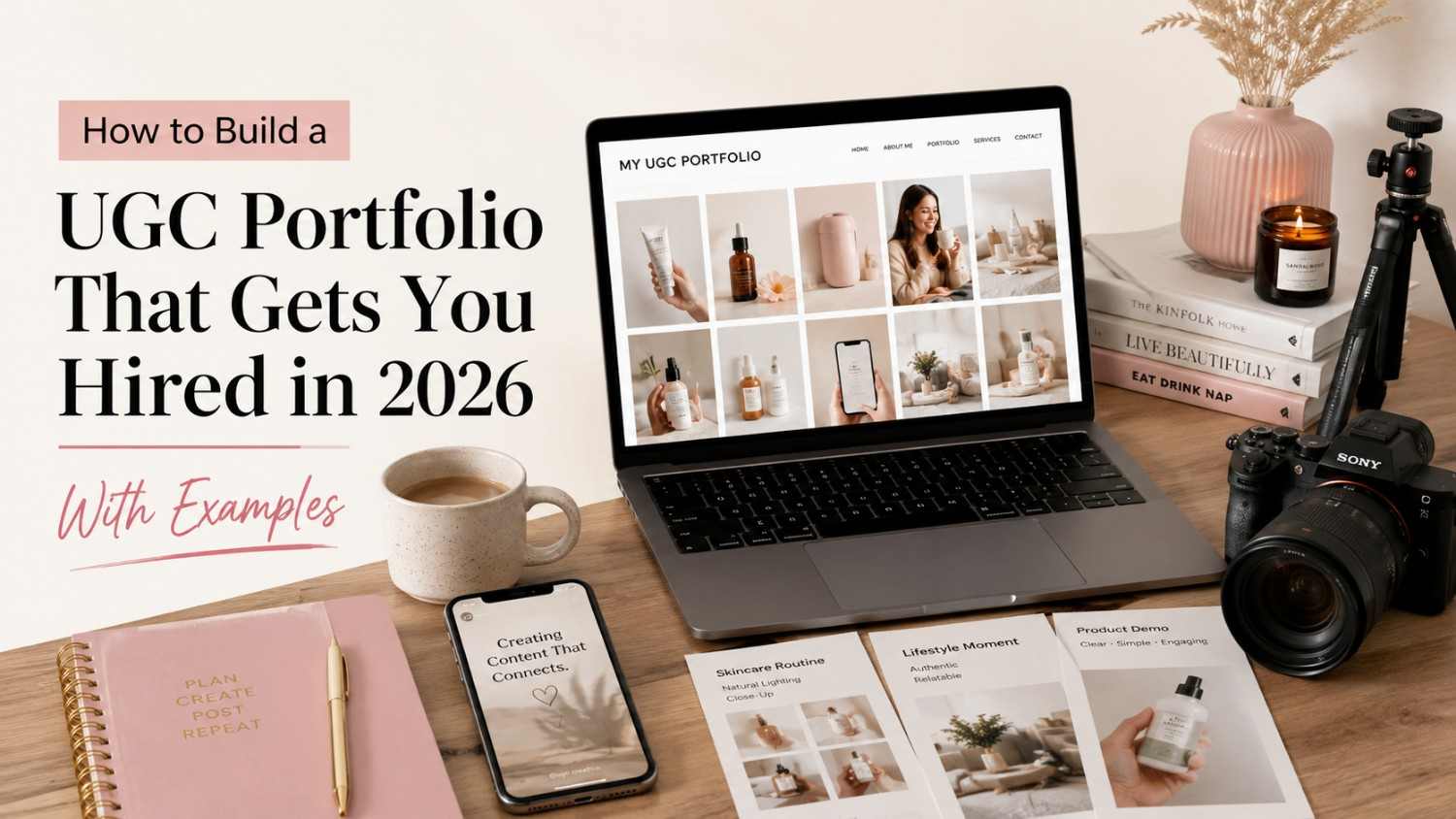
A UGC portfolio is a curated collection of your best content that shows brands exactly what you can create for them. It matters more than your follower count, more than your niche, and more than how long you have been creating. Include five to eight strong samples, show real variety across formats, and structure everything so a brand manager understands your value in under thirty seconds. Build it on something simple like Canva, Notion, or Google Sites, then keep it updated as your work improves. Once it exists, tools like Social by InstantDM can help you keep publishing fresh samples across platforms so the portfolio never goes stale.
Introduction
Six months ago I had zero brand partnerships, zero paid collaborations, and a phone full of videos nobody outside my friend group had ever seen. Most guides skip that starting point, which makes the whole process feel more mysterious than it actually is.
What changed things was not a viral video or a lucky algorithm boost. It was sitting down one weekend and actually building a portfolio, something I had put off for months assuming I needed more experience first. That assumption was backwards. The portfolio is what gets you the experience, not the other way around.
Since then I have worked with fifteen brands and turned UGC into a dependable part of my income. None of that would have happened without a place to send brands that showed my work clearly and quickly. This guide walks through exactly how I built mine, what I would change now, and the mistakes I watched other creators make along the way.
How to Build a UGC Portfolio That Gets You Hired in 2026
Most new creators skip the portfolio step entirely. They post on TikTok and Instagram and quietly hope a brand stumbles across their profile and reaches out. That is not a strategy, it is a bet, and it is a bet that rarely pays off no matter how good the content actually is.
A portfolio works differently. It is a curated, organized collection of your strongest work, built specifically so a brand manager can look at it and understand your style, your quality, and your range within about thirty seconds. That speed matters more than people realize. Brand managers are often reviewing dozens of creators for a single campaign, and the ones who make it easy to say yes are the ones who get picked.
Here is the thing nobody tells new creators enough. Brands do not care about your follower count nearly as much as you think they do. They care about content quality, reliability, and whether you understand how to sell a product without making it feel like a sales pitch. A tight portfolio with five great pieces and a thousand followers will beat a scattered profile with a hundred thousand followers and no clear direction, almost every time.
What to Include in a UGC Creator Portfolio
A strong portfolio has a handful of essential pieces, and skipping any of them makes brands hesitate.
Start with a creator bio, just two or three sentences describing who you are, what kind of content you make, and what makes your approach different. Naming your niche here matters because brands searching for a skincare creator or a home goods creator want to see that immediately.
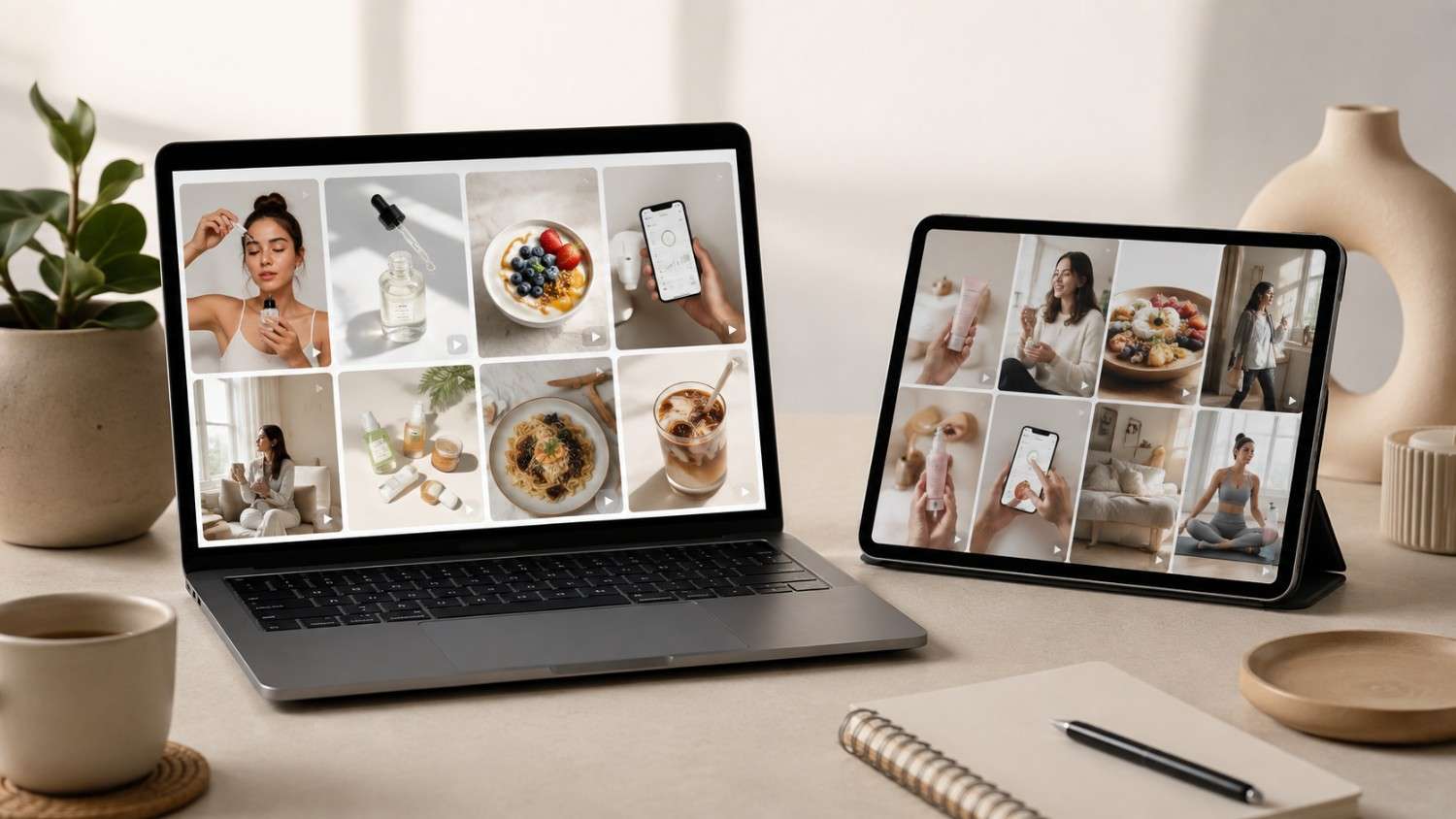
Next come your sample videos, ideally five to eight of your strongest pieces, mixing formats like unboxing, tutorial, testimonial, lifestyle, and product showcase so brands see range rather than one repeated style. Pair that with three to five high quality product photos across different settings and lighting styles.
If you work across more than one niche, organize your examples by category rather than mixing everything together. A beauty creator showing skincare, makeup, and hair care as separate sections looks far more intentional than one long scroll of unrelated videos.
List the services you actually offer, whether that is video creation, photo creation, ad ready content, or ongoing social content, and be specific about what a brand actually receives. Some creators also include a starting rate range, which is optional but genuinely useful for filtering out brands whose budget will never match your pricing before either side wastes time.
Round it out with a clear note on usage rights, meaning how brands are allowed to use your content, and make your contact information easy to find. I have seen creators lose deals simply because their email was buried three clicks deep.
I started experimenting with Social by InstantDM around this stage of building my own portfolio, mostly to keep fresh samples circulating on social while I finished the actual portfolio page, and it turned out to be a decent way to keep momentum going during that in between period.

Best UGC Portfolio Examples for Beginners
There is not one correct format for a UGC portfolio. The right structure depends on your strengths and what you are trying to signal to brands.
The minimalist portfolio
This style keeps things clean, with only a handful of samples and very clear contact information front and center. It works well for creators who would rather showcase five excellent pieces than fifteen decent ones, and it tends to look polished even when built quickly in something like Canva or Notion. I leaned toward this style early on because I genuinely did not have fifteen strong pieces yet, and pretending otherwise would have hurt more than helped.
The niche specific portfolio
Here everything gets organized by product category. A beauty creator separates skincare from makeup, a fitness creator separates supplements from equipment, and so on. This works particularly well once you know exactly which industries you want to target, since it lets a brand skip straight to the section that matters to them instead of scrolling past irrelevant work.
The results driven portfolio
This version pairs your content with actual numbers, engagement rate, view count, or conversion data when you have it. It is the strongest option once you have real results to show, since numbers tend to close the gap between a brand liking your style and actually trusting you with their budget.
The video first portfolio
Some creators lead entirely with video, using thumbnail previews that play on click rather than static images. This suits video heavy creators who want the motion and energy of their work to be the very first thing a brand sees, rather than burying it below a wall of text.
Looking at successful UGC creators on TikTok and Instagram is still one of the fastest ways to get inspiration. Pay attention to how they organize their work, which samples they lead with, and how they present past brand partnerships without making the whole page feel like an advertisement.
How to Create a UGC Portfolio With No Brand Experience
This is the question I get most often from newer creators, and the honest answer is that you do not need brand experience to start.
Create spec content using products you already own. Film it exactly as though a brand hired you for the job. This demonstrates your actual skill level without requiring a single paid collaboration first, and most brands can tell the difference between spec work and lazy filler content immediately.
Build content around products already in your daily life, your skincare routine, your kitchen gadgets, your workout gear. Authentic, lived in content usually reads better than anything staged specifically for a portfolio, because the comfort shows on camera.
You can also create a mock brand brief for yourself, essentially designing a fake assignment and then producing content that meets it. This shows brands you understand their process, not just your own creative instincts.
Reaching out to small, local businesses and offering free content in exchange for portfolio permission is another route that tends to work well, since small businesses are often glad for the free content and you walk away with something closer to real brand work.
Consider documenting your actual process too, filming yourself setting up a shot or editing a clip. It sounds small, but it signals professionalism in a way finished content alone cannot.
Canva templates genuinely do make this easier for beginners. The portfolio templates look professional out of the box and are simple enough to customize inside an hour using the drag and drop editor, even with zero design background.
Best Platforms and Tools for Building a UGC Portfolio
Once you have samples ready, you need somewhere to actually host them. Here is what I have tested and what I would recommend depending on your situation.
Canva for visual first portfolios
Canva remains my first recommendation for anyone building a portfolio quickly. The templates cover Instagram carousel layouts, presentation style pages, and website style single pages, and everything is free to start. I built my first portfolio entirely in Canva and only moved off it once I wanted a proper standalone link.
Notion for organized, scalable portfolios
Notion works well once your content library grows past a handful of pieces. You can build separate pages for each content type or niche, embed video directly, and share the whole thing with a brand through a single link. It feels less like a static portfolio and more like a living document you update constantly, which suits creators who post often.
Google Sites for simple, clean pages
If you want something free and straightforward, Google Sites lets you build a single clean page with your best work and contact details, without needing any design skill at all. It will never look flashy, but it looks professional, and professional is really the bar you need to clear.
Copyfolio built specifically for creators
Copyfolio stands out because it was designed around creator portfolios from the start rather than adapted from generic business templates. The layouts already understand what a brand wants to see from a UGC creator, which saves you the guesswork of adapting a template meant for a completely different purpose.
Wix for more design control
Wix sits a step above Google Sites in flexibility, letting you customize layout, colors, and structure more freely. It takes longer to set up, but for creators who want their portfolio to feel distinctly their own, that control is worth the time.
Squarespace for a premium finish
Squarespace is the paid option here, offering genuinely beautiful templates and custom domain support. It costs more than the alternatives, but for creators already earning consistent brand income, the polish tends to pay for itself.
I also kept Social by InstantDM in my toolkit throughout this stage, mostly for publishing portfolio pieces across platforms once the actual site was built, since having fresh, recent content circulating alongside a static portfolio link tends to make the whole presentation feel more alive.
How Many UGC Samples Should You Include?
Quality beats quantity every single time in this business.
Five to eight samples tends to be the sweet spot, enough to demonstrate range without overwhelming a brand manager who is reviewing dozens of creators in a single sitting. Your strongest three pieces should always go first, since brands make snap judgments and rarely scroll all the way through if the opening samples do not immediately impress them.
Make sure there is real variety in there, different formats like unboxing, tutorial, testimonial, lifestyle, and product showcase, and different product categories if you work across more than one niche. Include a mix of lengths too, since some brands want fifteen second clips for ads while others want a full sixty second video, and showing you can do both removes a question before they even ask it.
Update your portfolio regularly. Pull out the older, weaker pieces and replace them with your current best work. A portfolio that has not changed in eight months signals inactivity even if you have actually been creating the entire time.
Lead with your strongest piece, organize the rest by content type, and always include context about what the brand originally wanted and what you delivered. That context turns a video from a nice clip into evidence that you understand briefs and can execute against them.
How to Structure Your UGC Portfolio for Brands and Agencies
Structure decides whether a brand manager stays on your page or clicks away. You genuinely have about ten seconds to make a first impression, so every part of the layout needs to earn its place.
Open with a hook, not a vague introduction. A line like I create authentic product review videos for skincare brands tells a brand exactly what you do in a single sentence, which beats something generic like I am a content creator every time.
Lead with video rather than photos, since video reads as more engaging within the first few seconds of a page load. Organize everything by category if you work across multiple niches, since brands searching for a specific type of creator want to find relevant work immediately rather than scrolling past unrelated pieces.
Add context for every sample, a short note on what the brand wanted, what you created, and results if you have them. And keep your contact information visible without requiring a single scroll. I have watched brands genuinely give up looking for an email address after just a few seconds, so do not make them work for it.
What Types of UGC Videos and Photos Should You Showcase?
Different formats serve different purposes, and a strong portfolio usually mixes several of them.
Unboxing videos capture a genuine first reaction and work well for launches. Tutorial videos walk through how to use something step by step and suit complex products. Testimonial videos share your honest experience and tend to build trust faster than almost any other format.
Lifestyle videos show a product woven naturally into your routine, which works well for feeds where authenticity outperforms polish. Product showcase photos, clean, well lit, and professional, remain essential for anything ecommerce related. Before and after content, particularly strong for skincare or fitness products, gives brands visual proof of results over time.
The point is not to include every format. It is to choose the ones that fit your niche and show enough variety that a brand can picture you handling whatever project they have in mind.

Common UGC Portfolio Mistakes That Make Brands Skip You
A handful of mistakes show up again and again, and each one is an easy way to lose a brand before they even reply.
Too many samples overwhelm a brand manager who does not have time to watch twenty videos, so trim to your best five to eight. Missing contact information sends brands to the next creator on their list. Low quality footage, blurry video, poor lighting, bad audio, signals a lack of professionalism regardless of how good the content ideas actually are.
A lack of variety makes brands unsure whether you can handle different formats or products, and missing context leaves them guessing what the original brief was. Outdated work makes you look inactive even when you are not, and skipping your bio leaves brands without a clear sense of your specialty. A layout where nothing can be found in under ten seconds will cost you deals no matter how strong the content underneath actually is.
How to Use Your UGC Portfolio to Land Paid Brand Deals
A portfolio only creates value once it gets in front of the right people. Here is how I put mine to work.
Cold outreach remains one of the most direct routes. Find brands you genuinely want to work with, send a personalized email with your portfolio link attached, and explain why you would be a good fit for their products. Sharing pieces on your own social channels and tagging brands you would like to collaborate with is another simple approach that occasionally gets noticed organically.
JoinBrands, Billo, and Insense for structured campaigns
Joining established UGC platforms like JoinBrands, Billo, and Insense gives you access to brand campaigns that are actively looking for creators rather than waiting to be discovered. Uploading your portfolio to these platforms and applying to relevant campaigns tends to produce more consistent results than cold outreach alone, since the brands on these platforms are already budgeted and ready to hire.
Networking with other UGC creators can lead to referrals you would never generate on your own, since creators often pass along brand contacts they are not personally available to work with. Direct messaging brand managers on LinkedIn or Instagram, with your portfolio link included, remains a straightforward way to put your work directly in front of decision makers.
Keeping a consistent social presence alongside all of this matters too, and this is where Social by InstantDM became a regular part of my routine, scheduling portfolio content and tracking how it performed so I always had recent, active work to point brands toward whenever I reached out.

Why I Chose These Tools for This Blog
None of the platforms in this guide were picked at random. I based this list on what UGC creators actually need once they sit down to build something real.
Canva earned its spot because visual presentation genuinely matters, and its templates let creators without design backgrounds produce something that looks professional. Notion is here because organization matters just as much, especially once a creator has enough samples that a flat page starts to feel cluttered.
Google Sites made the list for simplicity, since a clean single page with strong samples and clear contact details is often all a newer creator needs. Copyfolio earned its place because it was built specifically with creators in mind rather than adapted from generic business templates. Wix and Squarespace both matter for creators ready to invest in a custom domain and a more polished look, which matters more once brand deals become a recurring income source.
Social by InstantDM rounds out the list because a portfolio does not exist in isolation. It needs an active presence behind it, and keeping that presence consistent without eating hours every week made a real difference in how often brands found their way to my page.
The Bottom Line
A UGC portfolio is the single most important tool for landing brand deals in 2026. Without one, brands genuinely will not take you seriously, no matter how strong your individual videos might be. With a solid one, you stand apart from a crowded field of creators competing for the same campaigns.
The formula really is this simple. Show your best work. Organize it clearly. Make contact effortless. Update it regularly. That is the entire game.
Keeping the momentum going after the portfolio is built matters just as much as building it in the first place, and that is where a tool like Social by InstantDM tends to earn its keep, helping schedule fresh content across platforms so brand partners always see your work actively performing rather than sitting still.
Start today. It does not need to be perfect. It needs to exist. Film five spec videos, put together a simple page, and start reaching out to brands this week. The first deal is always the hardest one to land. Everything after that builds momentum on its own.