Instagram SEO: How to Use Keywords to Get Found in 2026
Instagram SEO in 2026 means using keywords in your bio, captions, and Reels. Here's how to get found through Instagram search.

TL;DR
Instagram search works a lot more like Google these days than most people realise, and that changes how you should actually be setting up your profile and writing your content. The words in your name field, your bio, your captions, your alt text, and even the text overlays on your Reels all factor into whether someone searching for a topic actually lands on your page. The signals that matter most right now are how relevant your keywords are, how much genuine engagement your content gets, specifically saves and shares rather than just likes, how long people actually watch your Reels, and how recently you’ve posted. I’ve been leaning on Social by InstantDM to help draft captions with keyword suggestions built in, mostly because staying on top of all this manually across every post gets tedious fast.
Introduction
I didn’t take Instagram SEO seriously until I noticed a pattern in my own analytics. A handful of my posts kept pulling in steady traffic from the search tab months after I’d posted them, while most of my content basically disappeared after the first day or two. When I actually sat down and compared what those long lasting posts had in common, it wasn’t luck. It was the words I’d used, in my caption, in my alt text, even in the little text overlay on a Reel I’d almost forgotten about.
That sent me down a real rabbit hole into how Instagram search actually works now, and what follows is everything I found. This covers what Instagram keywords actually are, how they differ from hashtags, exactly where to place them across your profile and content, how the algorithm actually reads and scores all of it, and a practical process for finding the right keywords for your specific niche. If you’ve been treating hashtags as your only lever for discovery, this is going to change how you think about your whole profile.
What are Instagram keywords and how do they work in 2026?
Let me start with the basics. Instagram keywords are simply the words and phrases that describe what your content is actually about. They’re what help Instagram understand the subject of your posts well enough to show them to the right people searching for that topic.
Instagram’s search function now works a lot like Google’s. Type something like vegan recipes into the search bar and Instagram goes looking through profiles, posts, and Reels that actually contain those words, rather than just matching a hashtag you happened to tag.
Here’s roughly how it works under the hood. Instagram scans your name field, your username, your bio, your captions, your alt text, and any on screen text that shows up in your Reels. All of that gets used to figure out what your content covers and who it’s worth showing it to.
The algorithm ranks what it finds based on a mix of relevance, engagement quality, freshness, personalization, and location. Right now, the biggest signals are how relevant your keywords are across your whole profile and content, how much weight your engagement carries, since saves and DM shares matter far more than a simple like, how long people actually watch your Reels, how recent your content is, and what people tend to do after they find you through search.
Instagram SEO vs hashtags: what’s the difference?
This distinction trips people up more than almost anything else in this space, so let me lay it out plainly.
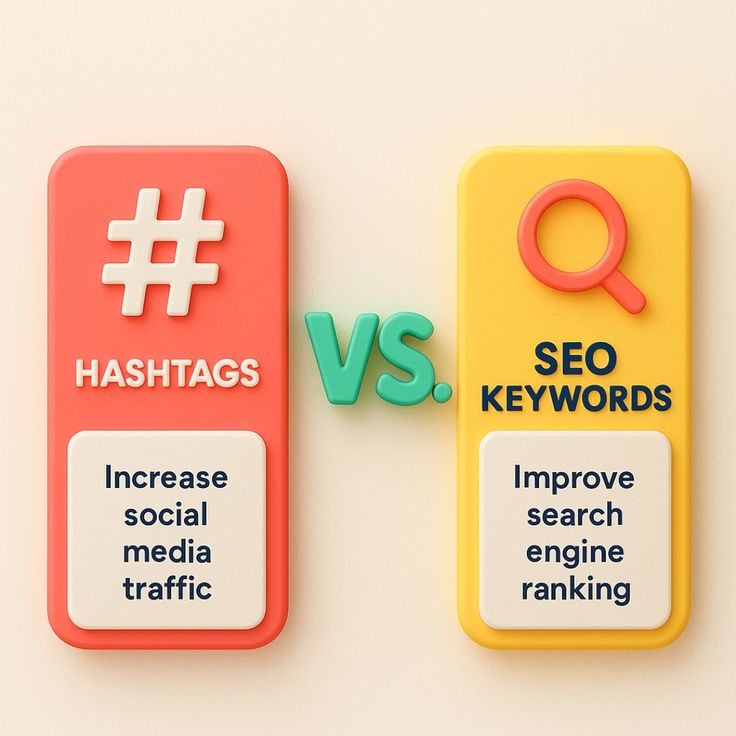
Instagram SEO is really about the actual words living in your name field, bio, captions, alt text, and on screen text. Those words help Instagram understand your content well enough to surface it directly in search results.
Hashtags work differently. They sort your content into categories and help new audiences stumble across you through browsing rather than direct search. Right now, somewhere around three to ten well targeted hashtags per post tends to be the sweet spot.
The core difference comes down to this. SEO is about being found when someone actively searches. Hashtags are about being discovered through categories they’re browsing.
Both genuinely matter, but Instagram SEO has been growing in importance faster than hashtags lately. The algorithm keeps getting better at understanding the actual context from the words you use, rather than leaning as heavily on the tags you slap on a post.
Where to add keywords on Instagram for better visibility
Here are the five spots where keywords carry the most weight.
Your name field is genuinely the highest value real estate you have for this. It’s searchable, so putting a real keyword there matters. Something like Sarah Wedding Photographer NYC does far more work than just Sarah on its own.
Your username should also include a keyword, if you can manage it naturally. A handle like sarahweddingphotos tells Instagram and potential followers a lot more than something like sarah123 ever could.
Your bio should clearly spell out what you actually do and who you’re trying to help. Weave keywords in naturally rather than forcing them in awkwardly.
Your captions are another spot worth paying attention to. Include relevant keywords, but write like an actual person, not like you’re stuffing terms in for the algorithm’s benefit.
Alt text deserves more attention than most people give it. Adding it with relevant keywords helps Instagram understand what’s actually in your images, on top of making your content more accessible.
And on screen text in your Reels genuinely gets read by Instagram. Including keywords in your text overlays is one of the more overlooked levers you have.

How the Instagram algorithm uses keywords to understand your content
The algorithm has gotten noticeably sharper, so here’s how it actually puts keywords to use.
It runs content analysis, scanning your captions, alt text, and on screen text to piece together what a given post is actually about.
It runs profile analysis too, looking at your name field, username, and bio to get a sense of your overall niche beyond just a single post.
When someone actually searches for something, Instagram matches that search term against the keywords it’s found across your content and profile.
Engagement signals feed into this as well. Posts that pull in more saves, shares, and comments tend to rank higher, since those actions tell the algorithm your content is genuinely valuable rather than just glanced at.
And it runs a relevance score, essentially measuring how closely your content actually matches a given search query. The higher that score, the higher you tend to rank.
A tool like Social by InstantDM genuinely helps with this piece specifically, since its AI agent can suggest keywords based on the content you’re already working with rather than leaving you to guess at what’s actually being searched.
How to find the right Instagram keywords for your niche
Here’s the process I actually use for keyword research.
I start with Instagram’s own search bar. Typing in a keyword and watching what suggestions come up tends to reveal what people are genuinely searching for, straight from the source.
From there I check what competitor profiles are doing. Looking at the keywords successful accounts in your niche are using in their name fields and bios often turns up patterns worth borrowing.
Instagram’s Explore page is another good source. It surfaces what’s actually trending within your niche right now, and noting the keywords and themes that keep showing up there is genuinely useful.
Free tools are worth pulling in too. Google Keyword Planner, Ubersuggest, and AnswerThePublic can all help surface related keywords you might not have thought of on your own.
Once you’ve gathered enough, put together a list, somewhere around 20 to 30 keywords relevant to your niche, and start weaving them across your profile and content consistently.
The strongest keywords tend to be specific rather than broad. Vegan recipes beats just recipes. Wedding photographer NYC beats simply photographer.

How to optimize Instagram captions for search
Here’s how to actually write captions that perform well in search.
Put your primary keyword in the very first sentence. That tells Instagram immediately what the post is actually about, rather than making it guess.
Use related keywords naturally throughout the rest of the caption. Don’t stuff them in awkwardly, just let them flow as part of how you’d genuinely describe the content.
Lean toward longer, more specific keyword phrases where it makes sense. Something like how to start a podcast for beginners tells Instagram and your reader a lot more than a vague phrase like podcast tips.
Include a call to action too. Asking a question or nudging people to save the post tends to boost engagement, which in turn feeds back into how the algorithm ranks you.
And keep the whole thing readable. Breaking up a longer caption with line breaks makes it easier for people to actually scan and absorb rather than skip past.
Tools like Social by InstantDM can help draft captions with these kinds of optimized keywords already woven in, which saves a fair bit of time once you’re posting regularly.
How to optimize your Instagram name, bio, and profile for SEO
Your profile is really the foundation everything else builds on, so here’s how to set it up properly.
In your name field, include a keyword that actually describes what you do. Sarah Wedding Photographer NYC does far more for you than just Sarah sitting there alone.
Keep your username simple, and work in a keyword if you can. Something like sarahweddingphotos beats a string like sarah underscore 123 underscore abc every time.
Your bio should clearly explain what you do, who you help, and where you’re located. Keep the keywords natural rather than forced.
Your profile photo matters too, even if it’s not technically a keyword. A clear, professional photo builds trust and helps people recognize you at a glance.
Include a link, whether that’s straight to your website or through a link in bio tool that consolidates several destinations in one place.
And pick the right category for your account. That single setting quietly helps Instagram understand your niche without you having to spell it out anywhere else.
Instagram Reels SEO: keywords, captions, and on-screen text
Reels SEO plays by slightly different rules than a regular post, so here’s how to approach it.
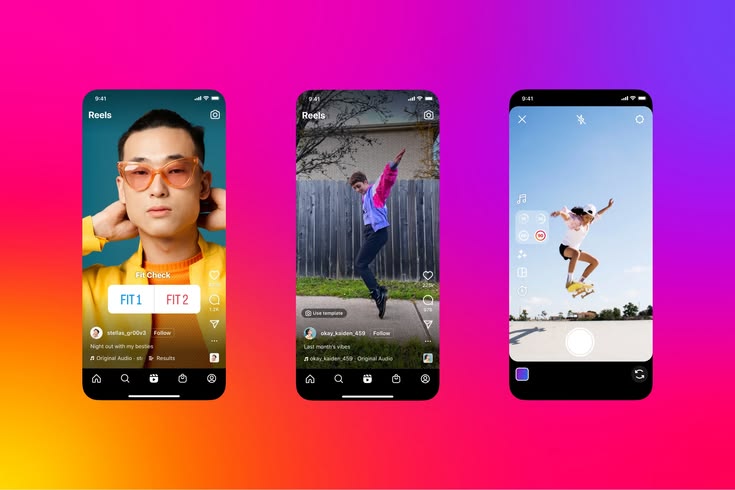
On screen text matters enormously here, since Instagram genuinely reads whatever text overlay you’ve added. Including relevant keywords in that overlay is honestly one of the most important signals for Reels specifically.
Your caption still matters too. Write something that includes your primary keyword, kept short and genuinely engaging rather than overly long.
Hashtags still have a place, though for Reels specifically I’d keep it to somewhere around three to five, focused tightly on your niche rather than anything broad.
Audio is worth thinking about as well. Leaning into trending sounds when they genuinely fit your content can give your Reels a real visibility boost.
And watch time matters more than almost anything else here. The algorithm clearly favors Reels that keep people watching, so hooking viewers in the first one to three seconds is worth obsessing over.
Tools like Social by InstantDM can help schedule Reels with these optimized captions already built in, which takes one more thing off your plate during a busy week.
Instagram SEO keywords list
Here’s a list organized by niche to give you a starting point.
For fitness, think along the lines of workout tips, home gym, weight loss, muscle building, yoga, HIIT, strength training, fitness motivation, healthy eating, and meal prep.
For food, consider vegan recipes, meal prep ideas, healthy recipes, cooking tips, food photography, restaurant reviews, baking, comfort food, quick recipes, and food styling.
For travel, look at travel tips, budget travel, solo travel, travel photography, destination guides, travel blogger, hotel reviews, travel hacks, adventure travel, and luxury travel.
For business, consider entrepreneurship, small business tips, marketing strategy, social media tips, personal branding, side hustle, passive income, business growth, online business, and digital marketing.
And for beauty, think about skincare routine, makeup tutorial, beauty tips, skincare products, hair care, beauty hacks, natural beauty, anti aging, beauty reviews, and beauty trends.
Use this as a jumping off point rather than a rigid script, since the keywords that genuinely work best are the ones specific to your actual niche and audience.

What strategies should I use in 2026 to boost Instagram engagement through SEO?
Here’s what’s genuinely working right now.
Start by optimising your profile itself. Weaving keywords into your name field, username, and bio is the foundation for everything else.
Write captions that are genuinely keyword rich. Lead with your primary keyword in that first sentence, then let related terms show up naturally throughout the rest.
Add alt text to every single post you share. It helps Instagram understand your images while also making your content more accessible to people using screen readers.
Lean into on screen text on your Reels. Since Instagram actually reads it, including keywords in your text overlays is a genuinely underused lever.
Focus your attention on saves and shares specifically. These engagement signals carry noticeably more weight than a simple like does right now.
Keep your posting consistent. The algorithm rewards fresh content, so aiming for somewhere around three to five posts a week tends to keep you in good standing.
And use location tags where relevant. They genuinely help you show up in local search results, which matters a lot if your business or content has any regional angle.
Tools like Social by InstantDM make it easier to actually schedule this kind of optimized content consistently across platforms rather than trying to remember every piece fmanually.
What are the best keywords and hashtags for Instagram SEO?
The strongest keywords are always going to be specific to your particular niche, so here’s how to actually find them.
Start with Instagram’s own search bar. Typing a keyword in and watching what suggestions surface gives you real search terms people are actually using.
Check what competitor profiles are doing too. Seeing which keywords successful accounts in your space are leaning on often reveals patterns worth adapting for yourself.
Free tools help fill in the gaps. Google Keyword Planner and Ubersuggest can both surface related keywords you might not have considered.
For hashtags specifically, aim for somewhere around three to ten well targeted tags per post, leaning toward niche specific choices rather than broad, generic ones that get lost in volume.
Are there any free tools to optimize my Instagram profile for SEO?
Yes, and here are the ones I’d actually recommend.
Instagram Insights is worth checking regularly. It shows which posts are actually performing best and gives you a sense of what keywords are genuinely driving engagement.
Google Keyword Planner is a solid free option for keyword research, helping surface related terms worth working into your content.
Ubersuggest offers free keyword suggestions along with some competitor analysis, which is a nice combination for a tool that doesn’t cost anything.
AnswerThePublic is genuinely useful for a different reason, since it shows you the actual questions people are asking around your topic, which often makes for great caption material on its own.
And Social by InstantDM has a free plan that includes AI powered caption suggestions, which can help draft captions with optimized keywords already worked in rather than starting from a blank page every time.
How to add SEO keywords in Instagram
Here’s the full process laid out clearly.
Start by editing your name field. Add a keyword that genuinely describes what you do, which you’ll find under Edit Profile, then Name.
Next, update your bio. Weave in relevant keywords naturally, accessible under Edit Profile, then Bio.
From there, focus on writing keyword rich captions, making sure your primary keyword shows up right in that first sentence.
Add alt text to your posts as you create them. Tap into Advanced Settings, then Write Alt Text, and include relevant keywords there.
Use on screen text in your Reels too, adding overlays that genuinely include the keywords you’re targeting.
And finally, add location tags where they make sense. This small step genuinely helps with local search visibility.
Frequently asked questions
How do Instagram keywords work in 2026? Instagram scans your name field, bio, captions, alt text, and on screen text to piece together what your content is actually about, then shows it to people searching for those specific terms.
What is the difference between Instagram SEO and hashtags? SEO relies on the actual words in your profile and content to help you appear in search results. Hashtags sort your content into categories for browsing based discovery. Both matter, but SEO has been growing in importance faster lately.
Where should I put keywords on Instagram? Work them into your name field, username, bio, captions, alt text, and the on screen text in your Reels. Your name field carries the most weight of anywhere on this list.
How many hashtags should I use in 2026? Somewhere around three to ten well targeted hashtags per post tends to work best, with a clear lean toward niche specific tags rather than broad, generic ones.
Can AI help with Instagram SEO? Yes, genuinely. Tools like Social by InstantDM use AI to suggest keywords and help draft captions that are actually optimized for search rather than just written from scratch each time.
The bottom line
Instagram SEO in 2026 really comes down to putting the right words in the right places. Your name field, bio, captions, alt text, and the text on your Reels all quietly influence whether someone actually finds you through Instagram search.
The biggest ranking signals worth focusing on are keyword relevance, genuine engagement quality, watch time, and how recently you’ve posted. Saves and shares specifically deserve more of your attention than likes ever will, since they carry noticeably more weight in how the algorithm ranks you.
Tools like Social by InstantDM make it easier to optimize your content with AI powered keyword suggestions rather than guessing at what might work. Start weaving this into your profile and your next few posts, and the visibility difference tends to show up faster than you’d expect.