Instagram Notes: Ideas, Sizes & Why They're Underrated for Reach in 2026
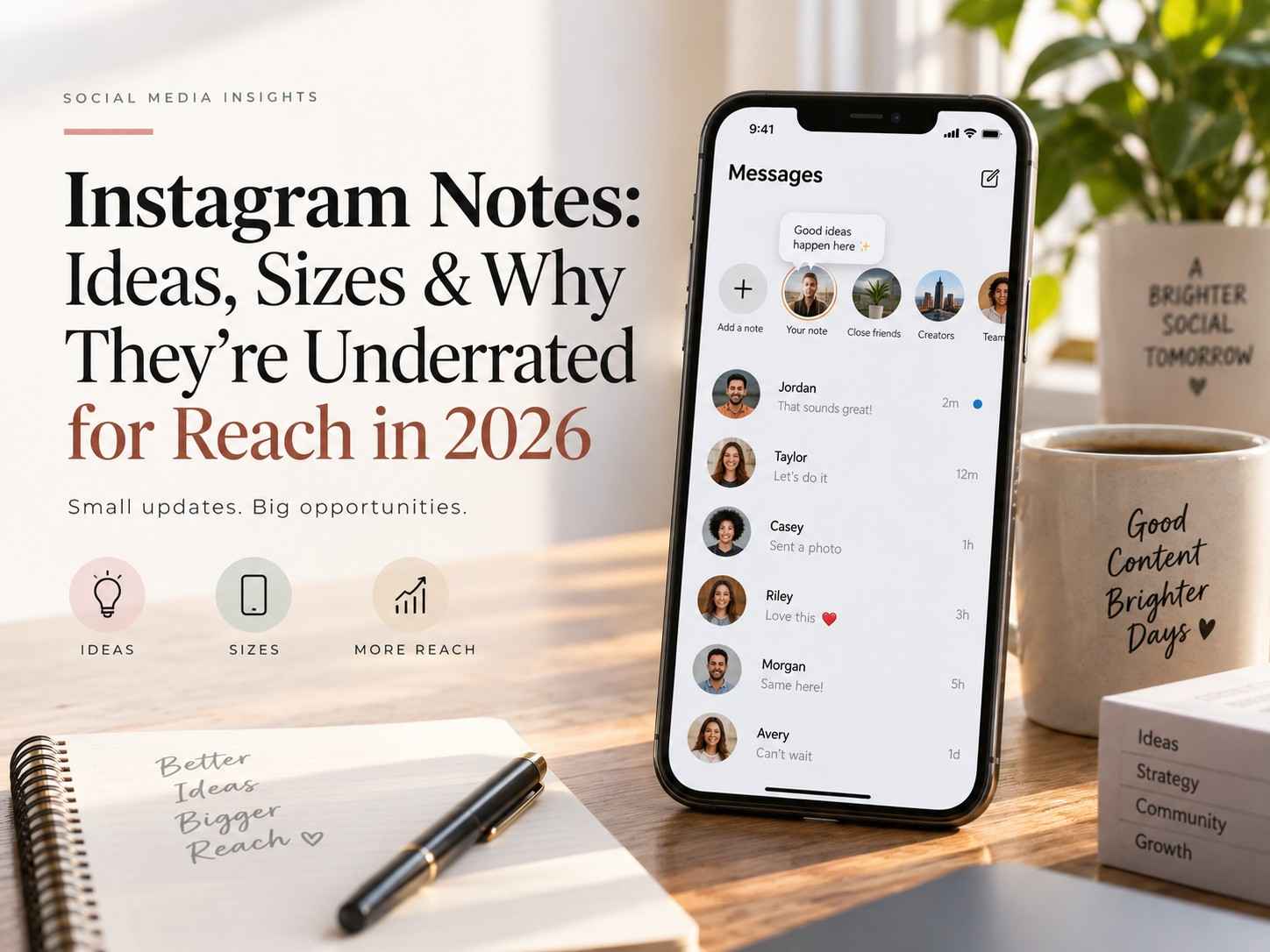
Instagram Notes are 60-character updates that land in DM inboxes. Here's why they're underrated and how to use them.
TL;DR:
Instagram Notes are the tiny, 60-character status updates that sit at the top of your followers’ DM inbox. They vanish after 24 hours, they only reach your closest connections, and almost nobody is using them on purpose. That’s exactly why they work. Because Notes land inside the inbox itself, they get seen faster than a post or a Story ever could, and because they’re so short, people actually read them instead of scrolling past. The replies they generate also tell Instagram’s algorithm that your content is worth showing to more people. This piece walks through what Notes are, why they matter more in 2026 than they did when they launched, the ideas that actually get replies, the mistakes that quietly kill engagement, and how a planning tool like Social by InstantDM can make the whole habit easier to sustain.
Introduction
If you asked ten Instagram users to name their favorite feature, you’d probably hear Reels, Stories, or maybe Close Friends. Almost nobody would say Notes. It’s the quiet corner of the app — a single line of text sitting above your inbox, easy to miss if you’re not looking for it, and even easier to forget once you’ve seen it.
That’s a shame, because Notes might be the single most efficient engagement tool Instagram has shipped in years. There’s no algorithm to fight, no watch-time threshold to hit, no perfectly timed caption required. You type a sentence, you tap post, and it’s sitting in front of your closest followers within seconds.
This guide breaks down everything worth knowing about Instagram Notes in 2026: how they work, why they’re underrated, the ideas that get people to actually reply, and how to weave them into a broader content rhythm without turning them into another chore on your to-do list.
What Are Instagram Notes, and How Do They Work in 2026?
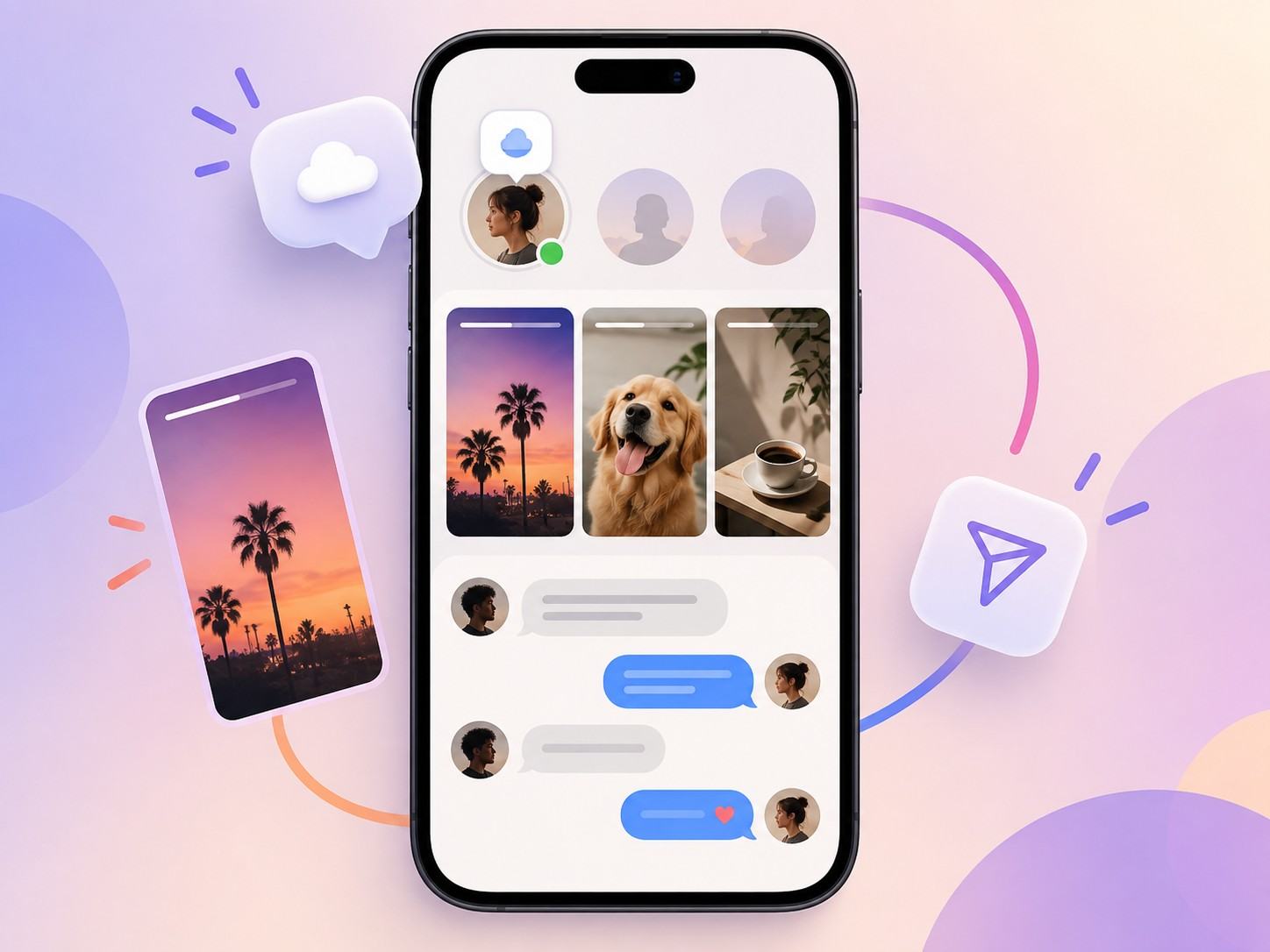
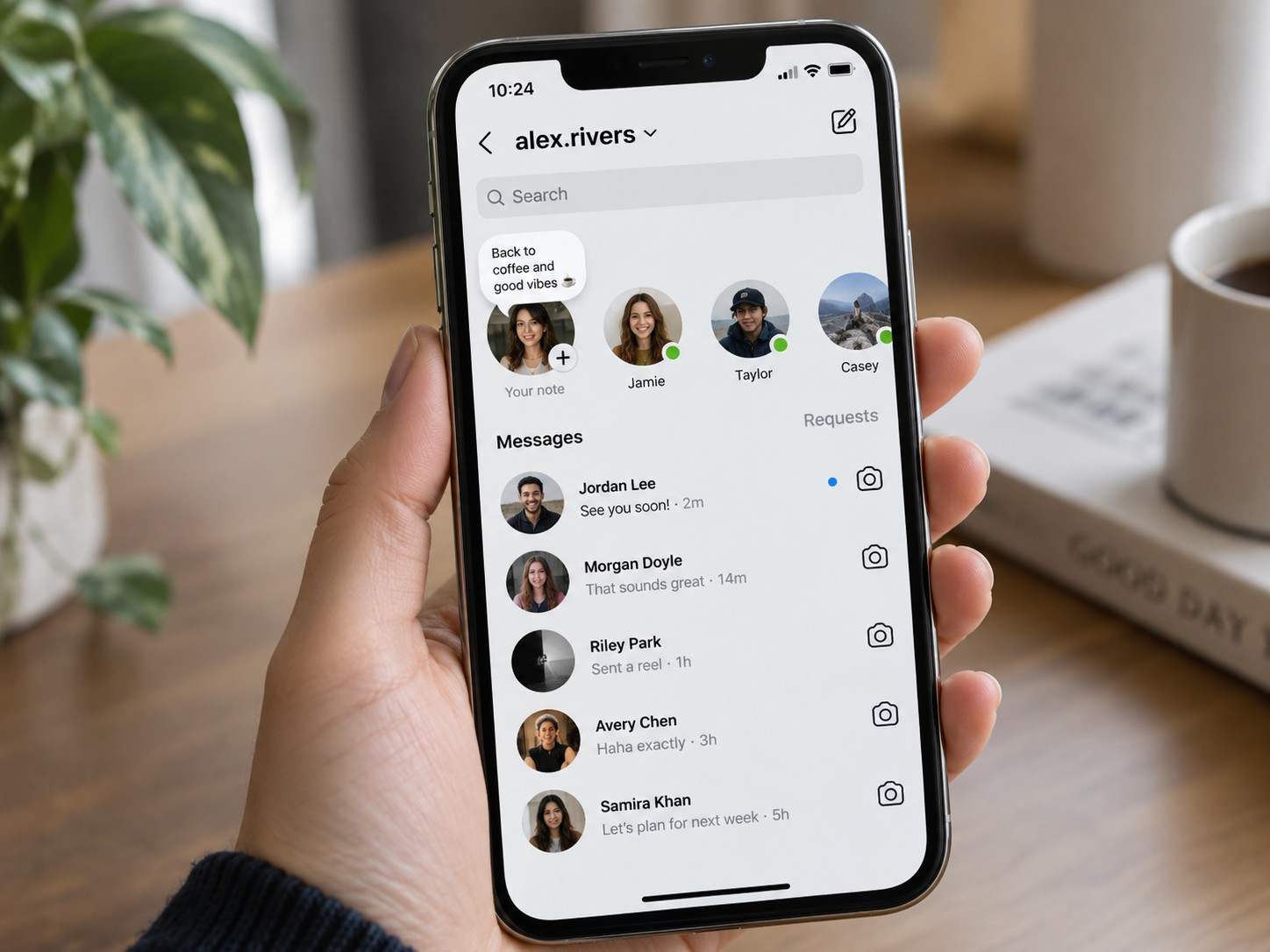
Instagram Notes are short text updates — capped at 60 characters — that show up at the very top of your followers’ direct message inbox. They sit just above your profile thumbnail in the messages tab, almost like a thought bubble hovering over your account.
The mechanics are simple. You type something short. It gets pushed to the top of the DM tab for the people who follow you, or for whoever you’ve placed on your Close Friends list. It stays visible for 24 hours and then it’s gone, the same rhythm as a story. And if someone wants to respond, they don’t comment publicly — they reply directly through DM, which quietly kicks off a private conversation.
No photos. No links. No hashtags. Just a sentence, sometimes a single word, sitting where your audience is most likely to look.
How Notes Fit Into Instagram’s Broader Algorithm
Instagram has spent the last few years pushing creators toward Reels and video-first content, which makes Notes feel almost like a throwback. But the algorithm still rewards signals of genuine interaction, and a DM reply is about as strong a signal as it gets. When someone replies to your note, that exchange happens in a space the algorithm already treats as high-intent — after all, people don’t open DMs to browse; they open DMs to talk to someone specific. That context seems to matter when Instagram decides whose content deserves more visibility elsewhere on the platform.
The Evolution of Notes Since Launch
When Notes first rolled out, they were treated as a novelty — a fun little feature buried in an update nobody read closely. Fast forward to 2026, and the placement has become more prominent, the character limit still holds at 60, and more everyday users have started experimenting with them out of habit rather than curiosity. The feature hasn’t changed dramatically, but the audience’s relationship with it has. People check Notes now the way they check Stories, which means the opportunity for creators willing to show up consistently is bigger than it was a couple of years ago.
Why Instagram Notes Are Useful for Small Creators
Growth on Instagram has always tilted in favour of accounts that already have an audience. The bigger you are, the more the algorithm hands you. Posts from smaller accounts get buried under a flood of content from people with ten times the following, and Stories can disappear into a crowded tray before anyone scrolls that far.
Notes flip that dynamic, at least a little.
Because a Note lands directly at the top of the DM inbox, there’s no algorithmic gatekeeping deciding whether it’s worth showing. It just shows up. That alone gives a small account a better chance against a bigger one, since the inbox doesn’t care how many followers you have — it just shows who posted most recently.
DMs also tend to be the most frequently checked part of the app, more than the main feed and often more than Stories, which means a Note gets real eyeballs on it rather than getting lost in an endless scroll. And because replies happen in a private, low-pressure space, people are more willing to respond than they would be to a public comment where everyone else can see what they typed.
The Attention Economy Problem
Every creator is competing for the same finite resource: someone’s attention span in the ten seconds they spend glancing at their phone. Feeds and Stories ask for that attention in a crowded room. Notes ask for it in a much quieter one — the inbox — where there’s less competing noise and less chance of getting drowned out by someone with a bigger following.
Where Social by InstantDM Fits In
Keeping a Notes habit alive alongside Stories, posts, and Reels is where most creators fall off. This is the kind of gap a planning tool like Social by InstantDM can fill, sitting in the background suggesting ideas and slotting them into an existing calendar so the habit doesn’t quietly disappear after the first busy week.
Best Instagram Notes Ideas to Increase Replies and Engagement
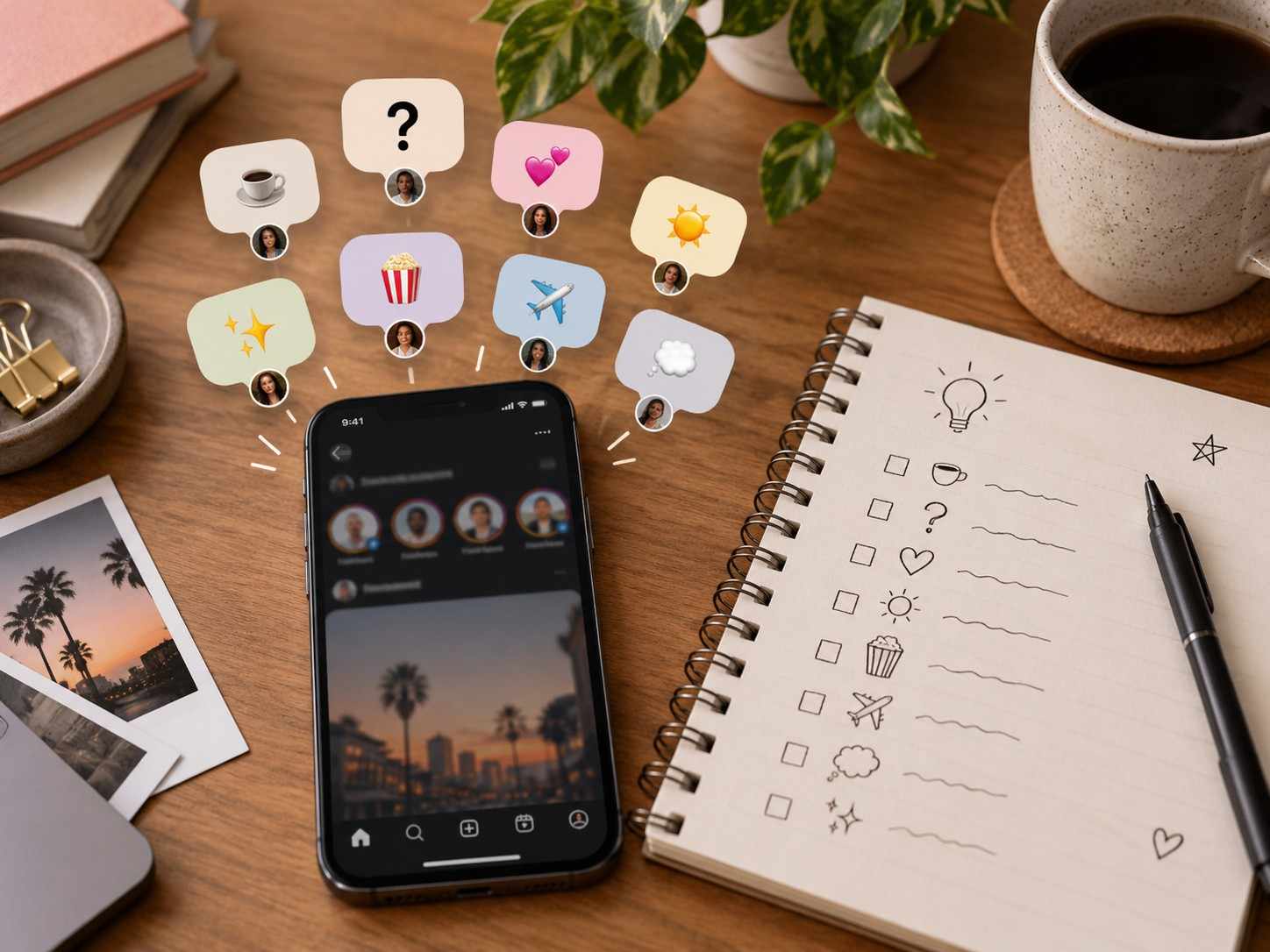
Not every Note gets a reply. The ones that do tend to follow a pattern: they ask something, they reveal something, or they invite a quick opinion.
Questions that invite a quick answer:
- “What should I write about next?”
- “Anyone else dealing with [specific problem]?”
- “What’s been the hardest part of your week?”
- “Unpopular opinion: [your honest take]”
Mood or moment updates:
- “Currently obsessed with [something specific]”
- “Late night, still typing”
- “New week, different energy”
- “Coffee’s cold, deadline’s not”
Behind-the-scenes glimpses:
- “Working on something I’m excited about”
- “Sneak peek dropping tomorrow”
- “Just wrapped a rough draft”
- “Peek behind [specific project]”
Light polls and opinions:
- “This or that: [option A] vs [option B]”
- “Hot take incoming”
- “Agree or disagree?”
- “Where do you land on [topic]?”
Direct calls to action:
- “Send me your questions”
- “Reply with your current favorite [thing]”
- “Who’s grinding today?”
- “Drop an emoji if you’re in the same boat”
Seasonal and Trend Based Notes
Notes don’t have to be evergreen. Tying one to a season, a holiday, or a trending conversation gives people an easy reason to respond right now instead of scrolling past. “First iced coffee of spring” or “Anyone else watching [whatever’s trending this week]” works because it rides on something already on people’s minds — you’re not asking them to think of something new, just to react to what’s already there.
Notes That Repurpose Existing Content
If you already published a post or Reel that day, a Note can quietly point back to it without breaking the 60-character rule. Something like “New post is up, curious what you think” nudges someone toward content you’ve already made, turning the inbox into a second doorway into your feed instead of a separate, disconnected habit.
How to Use Instagram Notes to Build Micro Communities
Notes work best when you stop thinking of them as status updates and start treating them as the opening line of a conversation.
Start with something that invites a response, and when someone actually replies, take the extra thirty seconds to answer them personally instead of leaving it on read. That single habit — replying to repliers — is what turns a passive audience into people who feel like they actually know you.
Sharing something slightly insider-feeling works well here too. “Just finished the first chapter of the new project” makes the handful of people who see it feel like they’re a step ahead of everyone else. Small polls do something similar: asking “Should I write about A or B?” hands your audience a tiny bit of ownership over what you make next, and people tend to stick around for things they helped shape, even in a small way.
Turning Repliers Into Regulars
The people who reply to your Notes more than once are worth paying attention to. They’re not passive followers — they’re the ones most likely to comment on your posts, share your content, and show up early when you launch something new. Treating those specific people a little differently, remembering what they said last time, checking in on something they mentioned, is a low-effort way to turn a handful of repliers into something closer to a core community.

Instagram Notes vs Stories vs DMs: What’s the Difference?
These three features get lumped together, but they’re built for different jobs.
Instagram Notes max out at 60 characters, sit in the DM inbox for 24 hours, reach only your closer connections, skip images and links entirely, and exist mainly to spark a reply.
Instagram Stories stretch up to 60 seconds, reach your whole follower list (or just Close Friends if you choose), support photos, video, stickers, polls, and links, and also disappear after a day — but they’re built for a broader kind of engagement: views, reactions, and link taps.
Instagram DMs have no character limit at all, support images, video, and voice notes, never expire unless someone deletes them, and exist for one-to-one or small group conversation rather than a broadcast.
The simplest way to think about it: Notes are public-feeling updates dropped into a private space. Stories are visual storytelling dropped into a semi-public space. DMs are where the actual relationship-building happens once a Note or Story has opened the door.
When to Choose Notes Over Stories
If the goal is a quick reaction and nothing more, a Note usually beats a Story simply because it doesn’t ask anyone to tap through, watch, or wait for it to load. Stories are worth the extra effort when you have something visual to show — a photo, a behind-the-scenes clip, a swipe-up link. But if all you have is a thought, a Note gets it in front of people faster and with less friction on both ends.
Best Instagram Notes for Creators, Brands & Personal Accounts
Different types of accounts get different mileage out of Notes.
Creators tend to do well sharing writing or creative progress, asking for content ideas directly, giving a glimpse of their process, or posting a mood update that shows a bit of personality rather than a polished persona.
Brands can use the space to hint at product updates, ask for quick customer feedback, share a bite-sized industry tip, or create a little urgency around a limited-time offer.
Personal accounts get the most out of simple life updates for close friends, requests for recommendations, funny observations, or a quick unfiltered thought that wouldn’t necessarily warrant a full post.
The thread running through all three: the Notes that get replies are the ones that sound like a person typing, not a brand broadcasting.
Niche Specific Examples
A fitness coach might post “PR day, nervous and excited” and get a wave of encouragement back. A small skincare brand might try “Testing a new formula, thoughts?” and get honest feedback instead of silence. The specifics shift by niche, but the underlying move — sounding like a real person mid-thought — stays the same.

How Often Should You Post Instagram Notes?
Frequency matters more than most people expect.
Once a day tends to be the sweet spot for the majority of accounts — enough to stay visible without becoming background noise. Twice a day can work if your audience is unusually engaged and you’re posting at genuinely different times to catch different segments of followers. Three times a day, on the other hand, starts to feel like clutter, and it’s usually the point where people quietly mute an account rather than keep seeing it pop up. Going longer than two days between Notes risks the opposite problem — your audience simply forgets the habit exists.
Morning, lunchtime, and early evening tend to be when people check their DMs most, so those windows are worth testing first. But the real lesson underneath all of this is that consistency beats frequency. One Note a day, posted around the same time, builds a habit your audience starts to expect — and expectation is what keeps a feature like this from fading into the background.
Signs You’re Posting Too Much or Too Little
If replies start thinning out even though your follower count hasn’t dropped, that’s usually a sign you’re either posting too often and people have tuned out, or posting so rarely that they’ve forgotten to check. Watching the reply rate over a couple of weeks, rather than reacting to a single quiet day, is the more reliable way to tell which problem you’re actually dealing with.
How to Write Instagram Notes That Get More Replies
Getting a reply isn’t luck — it’s usually a handful of small choices stacked together.
Asking a direct question outperforms a flat statement almost every time. “What’s been the hardest part of your week?” invites a response in a way that “Working hard today” simply doesn’t. Specificity matters too — “Struggling with writer’s block” lands as more relatable than a vague “Having a tough day,” because it gives people something concrete to relate to rather than guess at.
Emotion helps as well. A Note like “Finally finished my manuscript” naturally invites congratulations, while “Feeling stuck” tends to pull in support from people who’ve been there themselves. None of this works, though, if the Note feels performative — authenticity is what makes people feel safe enough to respond honestly instead of scrolling past. A little curiosity goes a long way too; “Something’s coming” makes people want to know more without giving away the whole thought. And closing with a small nudge, like “reply with your take,” gives people permission to respond instead of leaving them unsure whether they should.
The Psychology Behind Reply Worthy Notes
Most replies come down to one of two triggers: the Note either makes someone feel understood, or it makes them curious enough to ask a follow-up. A vague, safe statement rarely does either. The Notes that succeed tend to leave just enough unsaid that someone feels compelled to fill in the gap themselves — which is exactly what a reply is.

Common Instagram Notes Mistakes That Reduce Engagement
A handful of habits quietly undercut Notes performance without creators noticing.
Posting three times a day overwhelms an audience that only wanted one quick check-in. Sounding like an advertisement — even a subtle one — tends to get ignored the same way a sponsored post does. Ignoring replies is arguably the biggest one, since a Note that gets a response and then silence teaches people not to bother next time. Using the full 60 characters every single time can also backfire; shorter, punchier Notes often outperform ones that try to say everything at once. Posting at random times without checking when your audience is actually online wastes a feature that depends heavily on timing. Being overly polished works against the format too, since Notes are meant to feel dashed off, not drafted for hours. And posting sporadically — a burst of Notes one week, silence the next — undoes whatever habit you were trying to build in the first place.
How to Recover From a Notes Slump
If engagement has quietly dropped off, the fix is rarely dramatic. Going back to shorter, more direct Notes, replying personally to whoever does respond, and picking one consistent posting time for a couple of weeks is usually enough to rebuild the habit on both sides — yours and your audience’s.
How to Use Instagram Notes as Part of a Community Building Strategy
Notes shouldn’t be asked to carry a content strategy on their own. They work best as the first, lightest layer of something bigger.
Think of it as a stack: Notes handle the daily micro-updates that spark quick conversations, Stories carry the visual, day-to-day connection, posts deliver the deeper, less frequent value, and DMs are where the actual relationships get built once someone’s replied more than once. The natural flow tends to move in that order — a Note starts something small, that conversation drifts into DMs, and over time those individual conversations add up to something that looks a lot like loyalty.
Social by InstantDM tends to be useful right here, in the layering itself, since it can help sketch out ideas across Notes, Stories, and posts so they don’t feel disconnected from each other, and its scheduling side keeps the publishing rhythm steady even on the weeks where coming up with something new feels harder than usual.
Mapping the Content Funnel
Picture it as a funnel: Notes at the top, casting a wide, low-effort net; Stories in the middle, adding color; posts further down, delivering substance; and DMs at the bottom, where the most engaged people become something closer to regulars. Notes aren’t meant to replace the rest of the strategy — they’re meant to feed it.
The Bottom Line
Instagram Notes remain one of the most overlooked corners of the app heading into 2026. They sit right inside the inbox, they ask almost nothing of the person reading them, and they quietly reward the accounts willing to show up with something small and honest every day.
The opportunity here isn’t complicated. A single sentence, dropped into the one part of Instagram people check most often, can turn into a real back-and-forth if it’s written with a little thought behind it. Ask something. Share something true. Give someone a reason to type back.
If keeping that habit alive alongside everything else on the content calendar feels like one more thing to juggle, a tool like Social by InstantDM can take some of that weight off by helping plan the ideas and keep the posting rhythm steady. But the tool is secondary. The real work is just showing up, one short Note at a time, and actually meaning it.