10 Claude Prompts to Build a Faceless YouTube Channel (6M Views in 6 Months)
Ten Claude AI prompts that built a faceless YouTube channel to 6M views and 29K subscribers in 6 months. Copy-paste prompts for niche research, scripting, and analysis.

Six months. Six million views. Twenty-nine thousand subscribers. No face on camera. No fancy equipment. No prior YouTube experience. Just ten Claude AI prompts doing all the heavy lifting.
This is not a hypothetical scenario. This is a real faceless YouTube channel that used Claude to handle everything from niche research to scripting to performance analysis. The creator’s girlfriend is an introvert who never wanted to be on camera. Claude became her entire content team.
The faceless YouTube channel model is exploding in 2026. YouTube Shorts alone generate 200 billion daily views, and 74% of those views come from non-subscribers. That means you do not need an existing audience to get views. You need the right content, the right prompts, and the right system.
Here are the ten prompts that made it happen.
TL;DR
Ten Claude AI prompts that build and run a faceless YouTube channel from scratch. Prompt 1 finds profitable niches. Prompt 2 generates video ideas. Prompt 3 writes scripts. Prompt 4 creates thumbnails. Prompt 5 optimizes titles and descriptions. Prompt 6 plans content calendars. Prompt 7 analyzes competitors. Prompt 8 writes channel descriptions. Prompt 9 generates hashtags and tags. Prompt 10 analyzes performance data. Together, these prompts replace a full content team.
Why faceless YouTube channels are growing faster in 2026
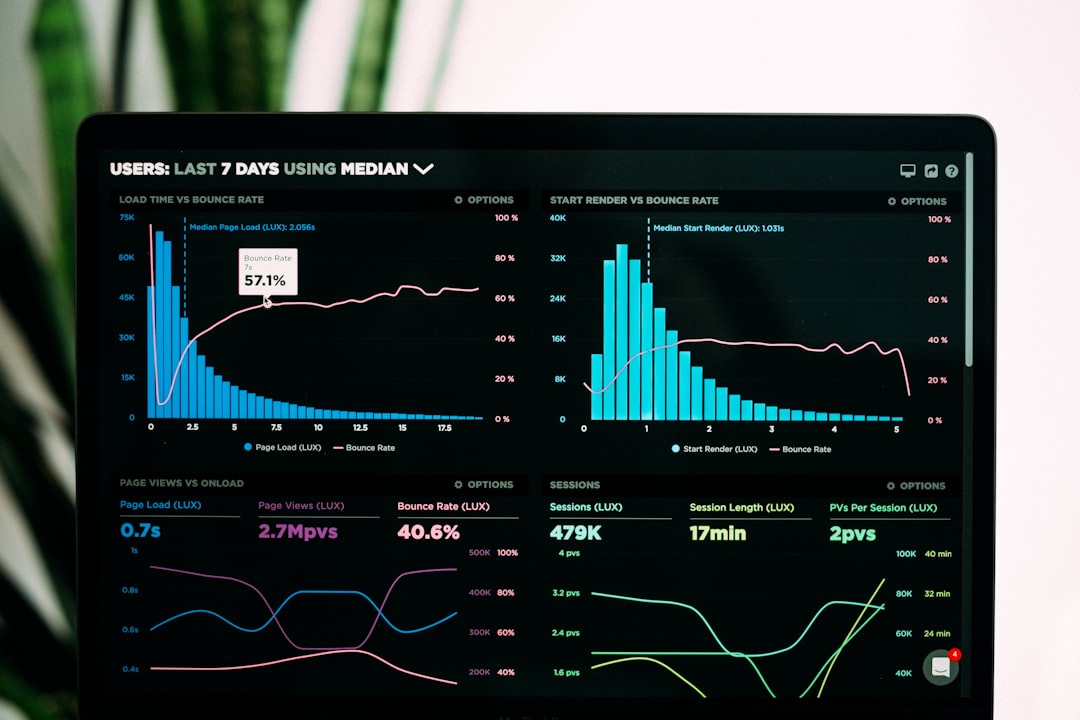
The numbers tell the story. Faceless YouTube channels are growing faster than face-on-camera channels for three reasons.
First, production cost is near zero. You do not need a camera, lighting, or a studio. Stock footage, screen recordings, and AI-generated visuals cost nothing. A faceless channel can produce 5 videos per week for the time and money it takes a traditional channel to produce 1.
Second, AI tools have made content creation accessible to everyone. Claude handles scripting, research, and analysis. AI voiceovers sound natural. Stock footage libraries are massive. The barrier to entry has dropped to almost nothing.
Third, viewers care about information, not faces. Educational content, list videos, tutorials, and explainers do not need a personality on screen. The content itself is the product. According to Awisee’s research, WatchMojo commands nearly 26 million subscribers with a purely faceless format.
The opportunity is real. The question is not whether faceless channels work. The question is whether you will use the right tools to build one.
Prompt 1: Find a profitable niche
Everything starts with niche selection. Pick the wrong niche and you waste months on content nobody watches. Claude can analyze market data and identify niches with high demand and low competition.
The prompt:
Act as a YouTube niche research analyst. Analyze the following niches and tell me which ones have the highest view potential with the lowest competition: [list 5-10 niches you are interested in]. For each niche, provide: average views per video, number of active creators, content saturation level (low/medium/high), monetization potential, and your recommendation (pursue or skip). Give me a final ranking from best to worst opportunity.
Why this works:
Claude has knowledge of YouTube trends, creator density, and monetization patterns across niches. It can compare niches systematically instead of relying on gut feeling. The output gives you a data-driven decision, not a guess.
What to expect:
Claude will rank niches based on demand-supply balance. High-demand, low-competition niches rank highest. It will also flag niches that are oversaturated (like personal finance) and suggest sub-niches with less competition (like AI automation for small businesses).
Pro tip: Give Claude specific niches you are interested in, not generic categories. “AI automation tutorials for solopreneurs” is better than “tech content.” The more specific your input, the more useful the output.
Prompt 2: Generate 50 video ideas
Once you have a niche, you need a steady stream of video ideas. Most creators run out of ideas after 10 videos. Claude can generate weeks of content in minutes.
The prompt:
Act as a YouTube content strategist for a faceless channel in the [your niche] niche. Generate 50 video ideas organized into three tiers: Tier 1 (10 ideas) for high-search-volume evergreen content, Tier 2 (20 ideas) for trending topics with seasonal relevance, Tier 3 (20 ideas) for unique angles competitors have not covered. For each idea, provide: title, estimated search volume (high/medium/low), competition level, and best format (tutorial, list, comparison, explainer).
Why this works:
The three-tier system ensures you have a balanced content mix. Evergreen content brings consistent views over months. Trending topics capture spikes in search volume. Unique angles differentiate you from competitors.
The output structure matters. Each idea comes with format guidance so you know exactly what type of video to produce. A tutorial needs step-by-step instructions. A list needs numbered items. A comparison needs two or more options side by side.
Pro tip: Generate ideas in batches of 50, then筛选 the top 20. Not every idea will be worth pursuing. Claude gives you volume so you can select quality.
Prompt 3: Write viral scripts
The script is the backbone of every video. A faceless video lives or dies by its script because there is no face to hold attention. The words must do all the work.
The prompt:
Write a YouTube video script for a faceless channel. Topic: [your topic]. Target length: [3-5 minutes / 8-12 minutes]. Style: educational but engaging, like explaining to a curious friend. Structure: Hook (first 5 seconds that stops the scroll), Problem (why this matters), Solution (the core content with specific examples), Proof (data or case studies), CTA (subscribe for more). Include visual cues in [brackets] for what should appear on screen at each section. Make the opening line impossible to skip.
Why this works:
The script structure follows YouTube’s retention algorithm. The hook must grab attention in 5 seconds. The problem creates urgency. The solution delivers value. The proof adds credibility. The CTA converts viewers to subscribers.
The visual cues in brackets tell you exactly what footage, graphics, or text to show at each moment. This eliminates the “what do I put on screen?” problem that stops most faceless creators.
The opening line matters most. YouTube’s algorithm measures average view duration. If viewers leave in the first 5 seconds, your video dies. Claude knows this and will craft hooks that create immediate curiosity.
Example output opening:
“This channel got 6 million views in 6 months without the creator ever showing their face. Here is exactly how they did it.”
That opening creates curiosity, establishes credibility, and promises value. It is impossible to scroll past.
Prompt 4: Create thumbnail concepts
Thumbnails determine whether anyone clicks your video. A faceless channel needs thumbnails that stand out without relying on a face for attention.
The prompt:
Create 5 thumbnail concepts for a YouTube video titled “[your title]” in the [niche] niche. For each concept, describe: the main visual element, text overlay (max 5 words), color scheme, emotional trigger (curiosity, shock, excitement, fear), and why it would get clicks. Make them bold, simple, and readable on mobile. Avoid faces.
Why this works:
Thumbnails are mini advertisements. They need to communicate the video’s value in under 2 seconds on a small mobile screen. Claude understands the psychology of clicks and can generate concepts that trigger curiosity without human faces.
The constraints matter. “Max 5 words” forces simplicity. “Readable on mobile” ensures the text works at small sizes. “Avoid faces” keeps it consistent with the faceless format.
Pro tip: After Claude generates concepts, create them in Canva or Figma. Test 2-3 variations on your first videos and track which gets the highest click-through rate. YouTube Studio shows CTR for each video.
Prompt 5: Optimize titles and descriptions
Titles and descriptions determine whether YouTube shows your video to viewers. They are the SEO layer that connects your content to search queries.
The prompt:
Optimize this YouTube video for search. Title: “[your title]”. Write: 1. Three title variations (under 60 characters each, front-loaded with the primary keyword), 2. A description (150-200 words, first 2 lines must include the primary keyword and hook), 3. Ten tags (mix of broad and long-tail keywords), 4. Three hashtags. Target keyword: “[your keyword]”.
Why this works:
YouTube’s algorithm uses titles, descriptions, and tags to understand what your video is about and who to show it to. Claude optimizes each element for search visibility while keeping the language natural and clickable.
The first two lines of the description are critical. YouTube shows these in search results and above the fold. If they do not include your keyword and create curiosity, viewers will not click “show more” to read the rest.
Pro tip: Use the same primary keyword in your title, first line of description, and first tag. This triple reinforcement tells YouTube exactly what your video is about.
Prompt 6: Plan a content calendar
Consistency is the single biggest factor in YouTube growth. Posting once a week is good. Posting three times per week is better. A content calendar removes the daily decision of “what should I post today?”
The prompt:
Create a 30-day content calendar for a faceless YouTube channel in the [niche] niche. Post frequency: [3 videos per week]. Mix: 40% evergreen tutorials, 30% trending topics, 20% list videos, 10% comparisons. For each day, provide: video title, content type, target keyword, estimated production time, and publishing time (best time for [niche] audience). Include batch production suggestions.
Why this works:
The calendar removes decision fatigue. You know exactly what to create, when to create it, and when to publish it. The content mix ensures you are not posting the same type of video every day.
Batch production suggestions save time. Claude will group similar videos together so you can batch film, batch edit, and batch upload. This is how the most productive faceless channels produce 3-5 videos per week.
Pro tip: Schedule evergreen content for weeks when you are busy. Trending content needs to go out within 48 hours of the trend. Plan evergreen batches during slow weeks and save trending slots for when news breaks.
Prompt 7: Analyze competitors

Your competitors have already figured out what works. Claude can reverse-engineer their strategy so you do not have to start from scratch.
The prompt:
Act as a YouTube competitive analyst. I am building a faceless channel in the [niche] niche. Analyze these 5 competitor channels: [list channel names or URLs]. For each channel, tell me: their most-viewed videos and why those performed well, their posting frequency and consistency, their thumbnail style and what makes it effective, their title formula and patterns, gaps in their content I can fill, and three specific video ideas I should create that they have not covered.
Why this works:
Competitor analysis is the fastest way to find proven content formats. Instead of guessing what works, you learn from channels that already have views. Claude identifies patterns across multiple competitors and finds the gaps between them.
The “three video ideas” output is gold. These are topics your competitors have not covered but their audiences are searching for. These videos have the highest potential for breakthrough growth because you are filling a gap, not competing for the same search terms.
Prompt 8: Write channel descriptions
Your channel description is the first thing potential subscribers read. It needs to communicate value in two sentences.
The prompt:
Write a YouTube channel description for a faceless channel in the [niche] niche. Requirements: 1. First sentence must include the primary keyword and explain what the channel is about, 2. Second sentence must explain why viewers should subscribe (specific benefit), 3. Third sentence must include a posting schedule, 4. Keep the entire description under 200 characters for mobile display, 5. Include 3-5 relevant keywords naturally. Tone: professional but approachable.
Why this works:
Most channel descriptions are either too long (nobody reads them) or too vague (nobody understands what the channel is about). Claude crafts descriptions that are specific, keyword-rich, and mobile-optimized.
The 200-character limit matters. On mobile, YouTube truncates descriptions after about 200 characters. If your key message is buried past that point, most viewers will never see it.
Prompt 9: Generate hashtags and tags
Hashtags and tags help YouTube categorize your content and show it to the right viewers. They are the metadata layer that most creators ignore.
The prompt:
Generate a complete hashtag and tag strategy for a faceless YouTube channel in the [niche] niche. Provide: 1. Five broad hashtags (high search volume, high competition), 2. Ten niche-specific hashtags (medium search volume, lower competition), 3. Five long-tail hashtags (low search volume, very low competition), 4. A tag strategy for each video type (tutorial, list, comparison), 5. Three branded hashtags unique to this channel.
Why this works:
Most creators use the same 5 hashtags on every video. Claude creates a tiered strategy that balances discoverability (broad tags) with specificity (niche tags) and brand building (branded tags).
The branded hashtags build recognition. When viewers search for your branded hashtag, they find all your content. This creates a content library effect that compounds over time.
Prompt 10: Analyze performance data
The difference between channels that grow and channels that stall is analysis. Claude can interpret your YouTube Analytics data and tell you exactly what to do next.
The prompt:
Act as a YouTube analytics expert. Here is my channel data for the last 30 days: [paste key metrics - views, watch time, CTR, average view duration, subscriber growth, top videos, traffic sources]. Analyze this data and tell me: 1. What is working (top 3 performing videos and why), 2. What is not working (bottom 3 videos and why they failed), 3. Three specific actions I should take this month to improve, 4. Which video format I should focus on, 5. What time of day I should post based on my audience.
Why this works:
YouTube Analytics shows you what happened. Claude tells you why it happened and what to do about it. The “three specific actions” output gives you a concrete to-do list instead of vague advice.
The “what to focus on” insight is critical. Most creators spread themselves too thin. Claude identifies your highest-performing format and tells you to double down on it. If tutorials get 3x more views than lists, stop making lists and make more tutorials.
How these prompts work together

These ten prompts are not random tips. They form a complete content system.
The workflow:
- Niche (Prompt 1) - Find the right market
- Ideas (Prompt 2) - Generate content backlog
- Scripts (Prompt 3) - Write each video
- Thumbnails (Prompt 4) - Design click magnets
- SEO (Prompt 5) - Optimize for search
- Calendar (Prompt 6) - Plan when to publish
- Competitors (Prompt 7) - Learn from others
- Channel (Prompt 8) - Set up your brand
- Tags (Prompt 9) - Metadata strategy
- Analysis (Prompt 10) - Improve continuously
Each prompt builds on the previous one. The niche research feeds the idea generation. The ideas feed the scriptwriting. The scripts feed the thumbnail and SEO optimization. The calendar coordinates everything. The competitor analysis refines your approach. The performance analysis closes the loop.
Total time investment: 2-3 hours to set up the entire system. Then 30 minutes per video to run the prompts and produce content. That is how one person can run a faceless channel that produces 3-5 videos per week without burning out.
What makes faceless channels different from traditional channels
Faceless channels are not just channels without faces. They are fundamentally different businesses.
Content is the product, not the personality. Traditional channels build audiences around a person. Faceless channels build audiences around information. This means your content must be genuinely useful, not just entertaining. Viewers come for the knowledge, not for you.
Production is systematized, not spontaneous. Traditional creators film when they feel inspired. Faceless channels follow systems. The ten prompts above create a repeatable process that produces consistent content regardless of mood or inspiration.
Scale is easier, identity is harder. A faceless channel can produce 10x more content than a personality channel because there is no bottleneck of “being on camera.” But building a loyal community is harder because there is no human connection. The fix: build community through comments, community posts, and consistent branding.
Monetization is more diverse. Faceless channels cannot rely on brand deals (brands want faces). Instead, they monetize through AdSense, affiliate marketing, digital products, and channel memberships. The most successful faceless channels earn $10,000-$50,000 per month from these diversified revenue streams.
Start building your faceless channel today
You now have ten prompts that replace a full content team. Claude handles niche research, idea generation, scripting, thumbnails, SEO, scheduling, competitor analysis, channel setup, tag strategy, and performance analysis.
The channel that hit 6 million views in 6 months did not have a special advantage. It had a system. The ten prompts above are that system. Copy them, customize them for your niche, and start producing content this week.
The faceless YouTube channel model works because it removes the biggest barrier to entry: being on camera. With AI handling the creative work, the only thing standing between you and a growing channel is consistency. Post 3 times per week for 6 months. Run the prompts before every video. Analyze your data monthly. The results will come.
For more on AI-powered content creation, check out our guides on the best time to post on YouTube and Claude skills for content creation. If you are building a faceless channel from scratch, our faceless YouTube prompts guide covers additional prompt strategies for different content formats.
Source attribution
This article is based on Instagram content by @growchannels. Additional data from FrameLoop faceless YouTube statistics, Awisee successful faceless channels, and Medium’s Claude YouTube guide.
Frequently asked questions
Can Claude AI run a faceless YouTube channel?
Yes. Claude can handle niche research, video scripting, SEO optimization, and content analysis for faceless YouTube channels. The 10 prompts below cover the full workflow from idea generation to performance analysis.
How many views can a faceless YouTube channel get?
Faceless YouTube channels can get millions of views. One channel built entirely with Claude prompts achieved 6.3M views and 29.6K subscribers in 6 months. Top faceless channels like WatchMojo have 26M+ subscribers.
What is a faceless YouTube channel?
A faceless YouTube channel creates content without showing the creator's face. Videos use stock footage, animations, screen recordings, AI voiceovers, or text overlays. The creator stays anonymous while building an audience.
How much money do faceless YouTube channels make?
Earnings vary widely. Small faceless channels with 2,000 subscribers earn around $895 total from 12 videos. Mid-size channels earn $1,000-$10,000 per month. Top channels like DaFuq Boom earn $500,000-$1.3 million monthly.
Do I need to show my face on YouTube?
No. You can build a successful YouTube channel without ever showing your face. Use stock footage, screen recordings, animations, AI-generated visuals, or text-based content. Many of the largest YouTube channels are faceless.
What niches work best for faceless YouTube channels?
The best niches for faceless channels include: financial education, history and mysteries, true crime, tech tutorials, meditation and sleep sounds, compilation videos, top 10 lists, and AI/automation content.
How long does it take to grow a faceless YouTube channel?
Results vary, but one channel grew to 6M views and 29K subscribers in 6 months using Claude prompts consistently. Most faceless channels see their first 1,000 subscribers within 3-6 months of consistent posting.
What equipment do I need for a faceless YouTube channel?
You need a computer, internet connection, and editing software. Many creators use free tools like DaVinci Resolve for editing, Canva for thumbnails, and AI tools like Claude for scripting. No camera or microphone required.