Instagram Algorithm 2026: How Feed, Reels, Stories & Explore Actually Rank Content
Instagram algorithm explained — how Feed, Reels, Stories, and Explore rank content. Signals, myths, and growth tips for 2026.

TL;DR
The biggest misconception about Instagram is that there is one single algorithm quietly deciding everything. There is not. Feed, Reels, Stories, and Explore each run on their own separate ranking system, and each one weighs signals differently depending on what it is actually trying to accomplish. Heading into 2026, a few things have become clear across all four. Shares have pulled ahead as the single strongest signal on the platform. Watch time matters more than it ever has, particularly for Reels. And search behavior, meaning keywords tucked into captions and bios, is quietly overtaking hashtags as the primary way people actually discover new accounts. In practical terms, that means shares consistently beat likes in importance, Reels remain your best shot at reaching people who do not already follow you, Stories exist mainly to strengthen the relationship with the people who already do; Explore runs almost entirely on interest matching rather than who you follow; and steady, consistent posting beats chasing the occasional viral moment every single time.
Introduction
Most creators talk about the Instagram algorithm as if it is a single mysterious force deciding their fate, when in reality it is closer to four separate systems, each with its own priorities, working somewhat independently of one another. Understanding that distinction changes how you actually approach content strategy, because optimizing for Feed and optimizing for Explore are not the same task, even though they can feel like they should be.
The frustrating part is that these systems genuinely do shift over time, and 2026 has brought a handful of real changes worth understanding rather than guessing at. Shares now carry more algorithmic weight than they used to. Search based discovery has meaningfully overtaken hashtags. And watch time on Reels has become a far more central signal than it was even a year or two ago.
This guide breaks down exactly how each of the four core algorithms works, which engagement signals actually matter most, why reach sometimes drops without warning, and what practical steps you can take to optimise for all of it without needing a technical background or a marketing degree to make sense of any of it.
How the Instagram Algorithm Works in 2026
Instagram does not run on a single algorithm, despite how often people talk about it that way. It actually runs on four distinct systems, each ranking content according to its own separate logic.
Feed
The Feed algorithm ranks posts specifically from accounts you already follow, and it leans heavily on relationship strength and general engagement history to decide what shows up first.
Reels
The Reels algorithm functions more like a discovery engine, prioritizing watch time, shares, and whatever signals suggest a piece of content is genuinely entertaining rather than just watchable.
Stories
The Stories algorithm ranks content from accounts you follow too, but it leans on recency and your own personal viewing history rather than broader engagement patterns.
Explore
The Explore algorithm recommends content from accounts you do not follow at all, prioritizing how quickly a post gathers engagement alongside a fairly sophisticated read on your individual interests.
The key thing worth understanding is that each of these four surfaces weighs its signals differently, and figuring out which algorithm actually governs which part of the app makes it far easier to optimize your content deliberately rather than posting and hoping something sticks.
https://youtu.be/zHWHRejp7SY?si=1m8klUHDPrtPmVDW
Instagram Feed Algorithm: What Determines Post Ranking
The Feed algorithm specifically governs what shows up from accounts you already follow, and a handful of factors determine exactly how that ranking plays out.
Relationship strength is the most important factor here, based on how often you personally interact with a given creator. Previous likes, comments, DMs, and even profile visits all feed into this signal, essentially telling Instagram how invested you already are in that account’s content. Interest works alongside this, predicting how likely you are to engage with a specific post based on your broader history across the app, even outside your direct interactions with that particular creator. Timeliness plays a role too, since newer posts generally get priority over older ones sitting in the same feed. And engagement velocity, meaning how quickly a post gathers interaction right after it goes live, has a meaningful effect on how far it ultimately travels.
Among all of these, relationships remain the strongest individual signal specifically within the Feed algorithm. Instagram consistently prioritises showing you content from the accounts you already engage with most, which is exactly why building real interaction with your existing followers matters just as much as attracting new ones.

How the Instagram Reels Algorithm Works
The Reels algorithm functions as Instagram’s primary discovery engine, and understanding its priorities is essential if reach and growth are the actual goal.
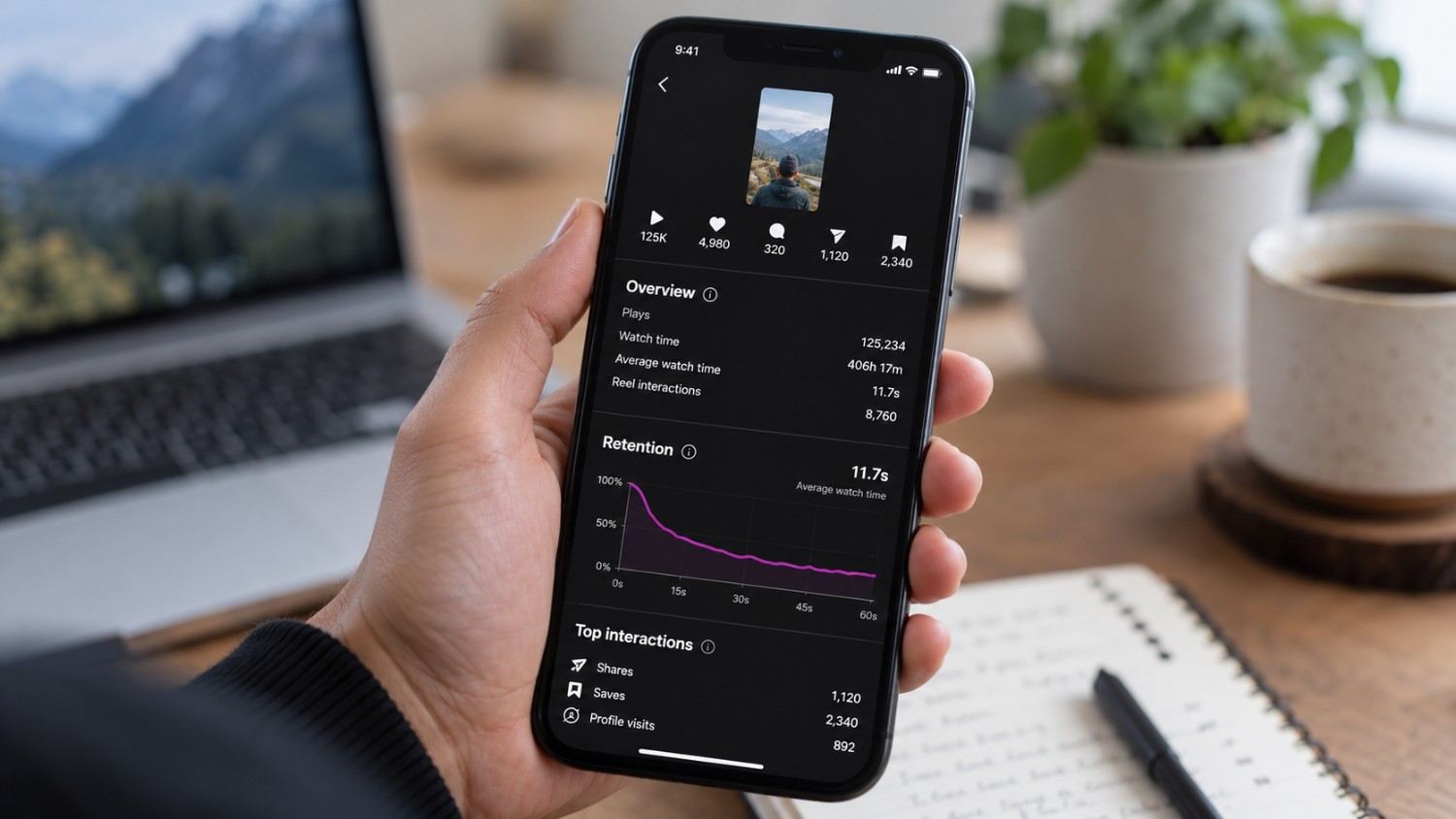
Watch time is one of the most important factors here. The longer someone actually watches your Reel, the more clearly that signals genuine quality to the algorithm. Shares stand out as the single strongest signal within Reels specifically, and when someone sends your Reel directly to a friend, Instagram treats that as a strong enough endorsement to push the content out to a meaningfully wider audience. Saves matter too, indicating that whatever you made felt valuable enough for someone to want to revisit it later. And Instagram’s own AI actively evaluates entertainment value directly, factoring that analysis into how widely a given Reel ultimately gets distributed.
The core takeaway worth remembering is that Reels remain the fastest, most reliable path to reaching people who do not already follow you. Building a Reel that hooks a viewer within the first second or two, then genuinely holds their attention through to the end, remains the single most effective lever available within this particular algorithm.
How Instagram Stories Are Ranked
Stories operate on a ranking system distinct from both Feed and Reels, built specifically around the people who already follow you.
Recency plays a large role here, with newer Stories consistently appearing first, which is part of why posting when your specific audience is most active genuinely matters. Viewing history factors in too, meaning Instagram tends to surface Stories from accounts you personally check regularly, so someone who watches your Stories often will keep seeing them appear near the top of their queue. Interaction adds another layer, since accounts you DM, comment on, or react to directly tend to rank higher in your Stories feed.
The overall pattern here is straightforward. Stories exist primarily to serve your existing audience rather than to attract new followers, building relationships and keeping you visible in a way that feels more casual than a polished feed post. Posting daily tends to maximise this particular kind of visibility.

How the Explore Page Algorithm Recommends Content
Explore functions as Instagram’s other major discovery engine, and it operates on a somewhat different logic than Reels does, even though the two overlap in some obvious ways.
User interest drives much of what appears here, with Instagram analysing what kinds of content you have engaged with previously and recommending genuinely similar material based on that history. Engagement velocity plays a role too, since posts that gather rapid engagement right after publishing tend to surface within Explore more readily, which is a large part of how genuinely viral content spreads across the platform. Instagram’s own AI also evaluates content quality directly, weighing visual quality, originality, and general relevance as part of the ranking process. And similar accounts factor in as well, since engaging with one creator’s content tends to prompt Instagram to start surfacing similar creators you have not yet discovered.
The key insight worth holding onto is that Explore functions as one of the clearest paths for entirely new audiences to discover you for the first time, and Reels specifically get heavy placement within Explore, reinforcing just how central this format has become to overall growth strategy.
Instagram Search Algorithm and the Role of Keywords
Instagram’s search algorithm has shifted meaningfully over the past couple of years, and 2026 has only accelerated that shift further.
Keywords placed naturally within your captions genuinely matter now, since Instagram actively reads and indexes that text as part of how it understands what your content is actually about. The same logic extends to your bio, which helps Instagram categorize your entire account at a broader level, meaning niche specific language there can meaningfully improve how discoverable you are through search. Alt text plays a role too, helping Instagram understand the actual visual content of your images beyond just the caption surrounding them. Hashtags still serve a purpose, though their role has shifted toward functioning more as topic signals that help categorize content rather than acting as a direct discovery mechanism the way they once did.
The broader shift worth internalizing here is that search based optimization has genuinely overtaken hashtags as the more effective discovery method. Creators still leaning primarily on hashtag volume are, in a very real sense, optimizing for a system Instagram has already moved past.
Which Engagement Signals Matter Most: Saves, Shares, Comments or Likes?
Not every form of engagement carries equal weight within Instagram’s various algorithms, and understanding the actual hierarchy here changes how you should think about content strategy.
Shares
Shares sit at the very top of this hierarchy as the single strongest signal available. When someone shares your content directly, it exposes your work to an entirely new audience, and Instagram consistently prioritizes distributing content that demonstrates this kind of genuine, active endorsement.
Saves
Saves come in as the second strongest signal, indicating that someone found your content valuable enough to want to revisit it later rather than just scrolling past it once.
Comments
Comments represent a genuinely strong signal too, reflecting meaningful engagement beyond a passive tap. Replying to every comment you receive tends to reinforce this signal further, encouraging even more interaction going forward.
Likes
Likes remain the weakest signal of the four, largely because they require essentially no effort or genuine consideration from the viewer. They still count toward overall engagement, just considerably less than shares, saves, or comments do.
The data on this is fairly clear at this point. Shares carry roughly two to three times more algorithmic value than likes do, which is exactly why creating genuinely shareable content deserves far more attention than simply chasing a higher like count.
How Watch Time and Retention Affect Reel Reach
Watch time functions as one of the single most critical factors determining how far a Reel actually travels, and a few specific metrics within that broader category deserve particular attention.
Completion rate, meaning the percentage of viewers who watch your Reel all the way through to the end, signals quality more clearly than almost any other single metric available. Average watch time works alongside this, with longer average viewing sessions generally indicating stronger, more genuinely engaging content overall. Rewatch rate adds another layer worth tracking, since a Reel that people choose to watch multiple times signals something distinctly entertaining or valuable enough to revisit.
The practical takeaway here echoes what was covered earlier under the Reels algorithm specifically. Hook viewers within the first second or two, hold their attention consistently throughout, and build content genuinely worth watching all the way through rather than something that only works for the first few seconds before losing momentum.

How to Optimize Posts for the Algorithm
Bringing everything together, here is how to actually optimize your posts across all four algorithms rather than treating each one as a separate, unrelated task.
Posting during peak times remains genuinely useful, and checking your own Instagram Insights to find when your specific audience is most active will always beat relying on generic recommendations. Writing captions that actually engage people matters too, weaving in relevant keywords naturally, asking real questions, and giving people an actual reason to leave a comment rather than just scroll past. Leaning on carousels tends to help as well, since they consistently earn higher save rates than single images do, and saves carry real algorithmic weight as covered earlier.
Creating Reels remains one of the most effective single actions you can take, given how directly they connect to reaching people who do not already follow you. Engaging with your own audience immediately after posting, particularly replying to comments within that first hour, signals genuine activity to the algorithm in a way that tends to boost early distribution. Using a modest three to five relevant hashtags still helps with categorization, even if it is no longer the primary discovery lever it once was. And adding alt text to your posts, while a small step, genuinely helps Instagram understand and properly categorize exactly what your content is about.
Common Instagram Algorithm Myths and Mistakes
A handful of persistent myths continue to hold creators back, often leading them to focus energy in exactly the wrong place.
The idea that posting at the perfect time matters more than content quality simply does not hold up. Content quality remains the dominant factor by a wide margin, with timing playing a genuinely secondary role at best. The belief that you need to post daily to grow is similarly overstated. Consistency matters far more than raw frequency, and three to five posts per week tends to be more than sufficient for most accounts. The assumption that hashtags still drive the bulk of your reach is outdated at this point, since keywords woven into your captions now drive considerably more discovery than hashtags manage on their own in 2026.
There is also a persistent myth that the algorithm actively punishes accounts for going quiet for a while. In reality, the algorithm does not punish inactivity in any deliberate sense, it simply shows your content to fewer people since there is less recent signal to work with. And finally, the belief that you need to use every single feature Instagram offers, Reels, Stories, Lives, Guides, and everything else at once, tends to spread creators far too thin. Focusing specifically on whatever formats genuinely resonate with your particular audience will consistently outperform trying to be everywhere within the app at once.
https://youtu.be/91CPPZmiPpk?si=Xd7ZO9TMN_yhWjQB
Why Your Instagram Reach Suddenly Drops
Reach drops happen to nearly every account eventually, and understanding the actual cause makes it far easier to respond effectively rather than panicking.
An algorithm update is one common culprit, since Instagram periodically adjusts its ranking signals, and adapting to those changes rather than continuing with an outdated strategy is usually the right move. A decline in content quality is another frequent cause, since the algorithm naturally shows lower quality content to fewer people over time as engagement signals weaken. Inconsistent posting plays a role too, and reach often noticeably drops when an account returns after a long gap, even if the content itself has not changed. A broader decline in audience engagement, meaning your existing followers simply interacting less than they used to, tends to reduce distribution as well, since the algorithm reads that shift as declining interest. And content fatigue is worth considering too, since repeatedly posting the same type of content can lead the algorithm to gradually reduce reach as it becomes less novel.
The practical fix in nearly every case is the same. Dig into your Insights, identify what specifically changed around the time reach dropped, and adjust your strategy based on what the actual data shows rather than guessing.
Where Social by InstantDM Fits In
Social by InstantDM is worth mentioning on its own, separate from the general strategy above. It can help apply a lot of what is covered in this guide without requiring constant manual analysis, suggesting posting times based on when your specific audience tends to be active, recommending content formats suited to current ranking signals, and offering caption suggestions built around genuine engagement rather than generic filler. For creators trying to stay aligned with how these algorithms actually behave without spending hours cross referencing Insights every week, folding a tool like this into the workflow tends to make consistent optimization far more manageable.
The Bottom Line
Instagram’s algorithm in 2026 fundamentally rewards content that keeps people engaged within the platform rather than scrolling past. Shares remain the strongest signal across nearly every surface. Watch time matters enormously for Reels specifically. Relationship strength continues to drive the Feed algorithm above almost everything else. And search based keywords have genuinely overtaken hashtags as the more effective discovery method.
The strategies worth prioritizing going forward are creating genuinely shareable content, optimizing deliberately for watch time on Reels, weaving relevant keywords naturally into your captions, posting with real consistency rather than sporadic bursts, and staying actively engaged with your existing community.
Start by reviewing your own Instagram Insights closely. Identify what is genuinely working for your specific account, create more of exactly that, and adjust deliberately as the algorithm continues to shift over time. That is really how sustainable Instagram growth works in practice.
Sources for This Guide:
References:
https://blog.hootsuite.com/instagram-algorithm/
Frequently asked questions
How does the Instagram algorithm work in 2026?
Instagram runs on four separate systems, Feed, Reels, Stories, and Explore, each weighing different ranking signals. Shares remain the single strongest signal overall. Watch time matters most specifically within Reels, while relationship strength matters most within Feed.
What is the most important Instagram ranking signal?
Shares carry the most weight across the platform in 2026. When someone shares your content, Instagram treats that as a strong enough endorsement to expand distribution meaningfully. Saves and comments also matter considerably more than likes.
Does posting time affect Instagram reach?
Yes, though its effect is secondary to content quality. Posting when your specific audience is most active tends to increase initial engagement, which signals quality to the algorithm early on. Checking your own Instagram Insights remains the most reliable way to find your particular best times.
How often should I post on Instagram?
Three to five posts per week tends to be the sweet spot for most accounts. Consistency matters considerably more than raw frequency, and posting Stories daily helps maintain visibility between larger content pushes.
Why is my Instagram reach dropping?
Reach can drop for several reasons, including broader algorithm changes, a decline in content quality, inconsistent posting habits, or reduced engagement from your existing audience. Reviewing your Insights closely tends to reveal the actual cause, which makes adjusting your strategy considerably more straightforward.